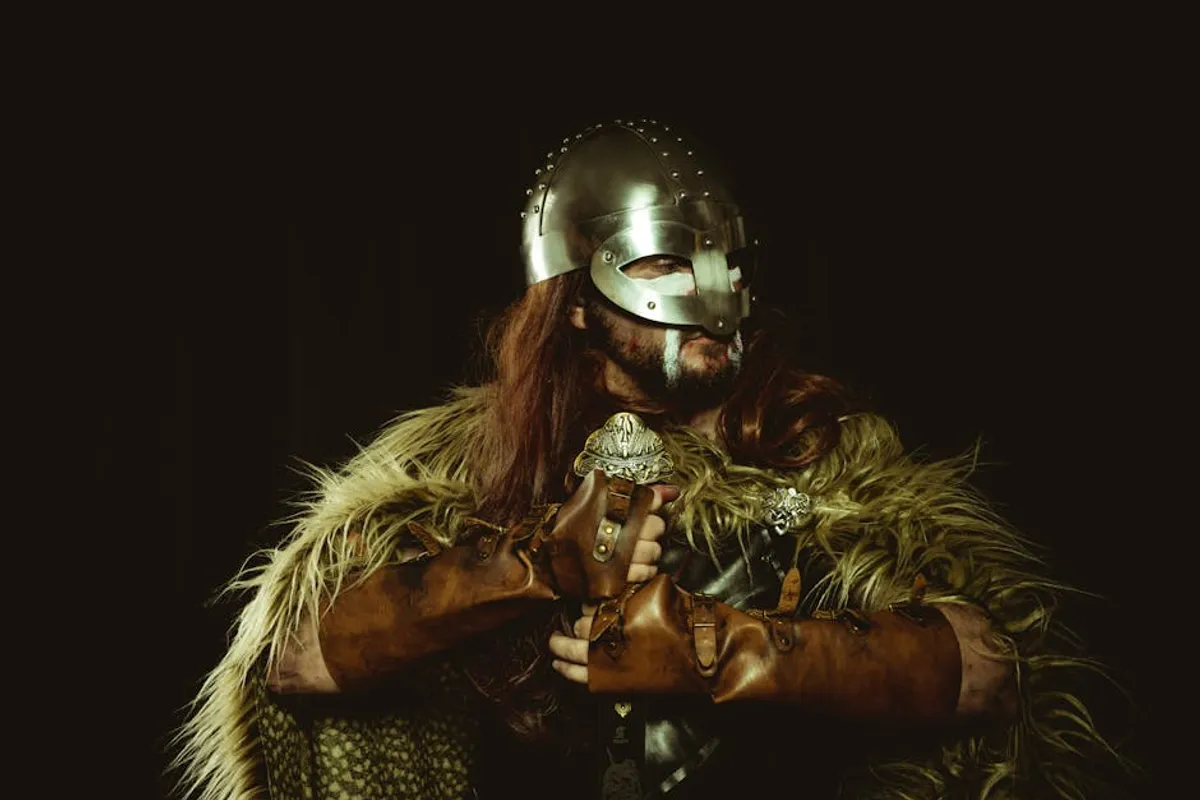
For content strategists, niche marketers, and brand developers, understanding specific cultural identifiers like Norse Paganism symbols offers a distinct advantage in audience engagement and content differentiation. These symbols are not merely decorative; they carry centuries of historical, spiritual, and cultural weight, resonating deeply with specific demographics interested in history, mythology, spirituality, and fantasy. Leveraging this understanding allows for the creation of more authentic content, the development of targeted products, and the establishment of genuine connections with communities that value these traditions. Understanding the symbols associated with Norse goddesses can further deepen this engagement for those interested in female deities.
The commercial utility of these symbols lies in their established recognition and the narratives they embody. Brands operating in areas such as historical fiction, fantasy gaming, spiritual wellness, artisan crafts, or even outdoor apparel can integrate these motifs to signal authenticity and align with specific consumer identities. This approach moves beyond generic branding, providing concrete cultural anchors that foster loyalty and drive engagement through shared values and interests.
Core Norse Symbols and Their Commercial Applications
Each prominent Norse symbol carries a distinct meaning, offering unique avenues for content and product development. Understanding these specific connotations is critical for effective application.
Mjolnir (Thor's Hammer)
Mjolnir is widely recognized as the hammer of Thor, a powerful symbol of protection, strength, and consecration. Its association with the god of thunder and storms makes it a potent emblem of defense against chaos and malevolent forces.
- Primary Meaning: Protection, strength, consecration, divine power.
- Commercial Utility: This symbol is highly marketable across various sectors. It is frequently used in jewelry, apparel, and merchandise targeting audiences interested in Norse mythology, fantasy, and metal music. Its strong visual identity makes it suitable for branding products associated with physical prowess, resilience, or security.
- Content Strategy: Articles or product descriptions can explore themes of personal strength, overcoming adversity, or safeguarding what is valuable. Content can also delve into the historical context of Thor's worship and the cultural significance of the hammer in Norse society.
Valknut (Odin's Knot)
The Valknut, characterized by three interlocking triangles, is a more enigmatic symbol often associated with Odin, the god of wisdom, poetry, and death. Its precise historical meaning remains debated, but modern interpretations link it to death, fate, and the transition between worlds.
- Primary Meaning: Death, fate, Odin, spiritual transition, interconnectedness.
- Commercial Utility: Due to its more profound and esoteric nature, the Valknut appeals to niche markets focused on spiritual exploration, philosophical themes, or artistic expression. It is less common in mass-market products but holds significant value in artisan crafts, tattoos, and specialized spiritual or historical publications.
- Content Strategy: Content can explore the mysteries of Norse cosmology, the role of Odin, or discussions around fate and free will. This symbol can anchor discussions on deeper spiritual or philosophical topics, attracting a contemplative audience.
Yggdrasil (The World Tree)
Yggdrasil is the immense ash tree that connects the nine worlds in Norse cosmology. It symbolizes the interconnectedness of all things, life, death, and rebirth, and the cosmic order.
- Primary Meaning: Interconnectedness, cosmic order, life, death, rebirth, wisdom.
- Commercial Utility: This symbol is highly versatile. It is popular in environmental branding, wellness products, and items promoting balance and harmony. Its intricate design lends itself well to art, home decor, and jewelry that emphasizes natural cycles and spiritual growth.
- Content Strategy: Content can focus on themes of ecological balance, personal growth, family lineage, or holistic well-being. It provides a rich framework for exploring complex relationships and the cyclical nature of existence.
Vegvisir (The Norse Compass)
Often referred to as the "Norse Compass," the Vegvisir is a stave found in Icelandic magical grimoires (such as the Galdrabók). Its purpose is to guide the bearer through rough weather and prevent them from getting lost, literally and metaphorically.
- Primary Meaning: Guidance, protection, wayfinding, not losing one's way.
- Commercial Utility: The Vegvisir is particularly effective for brands associated with travel, outdoor adventure, personal development, or navigation tools. It resonates with audiences seeking direction, clarity, or a sense of security in their journeys.
- Content Strategy: Content can center on themes of self-discovery, setting goals, overcoming challenges, or travel narratives. It can also be used to promote products designed for exploration or personal transformation.
Helm of Awe (Aegishjalmr)
The Helm of Awe is another stave, depicted as eight arms radiating from a central point, often associated with protection and victory in battle. It was believed to instill fear in enemies and protect the wearer.
- Primary Meaning: Protection, victory, dominance, invincibility, courage.
- Commercial Utility: This symbol is ideal for brands targeting fitness, martial arts, protective gear, or competitive sports. It appeals to individuals seeking to embody strength, courage, and a competitive edge.
- Content Strategy: Content can explore themes of mental fortitude, physical training, historical warfare, or strategies for personal achievement. It provides a powerful visual for motivational or performance-oriented messaging.
Runes (Elder Futhark)
Runes are the letters of the ancient Germanic alphabets, used for writing, divination, and magical purposes. The Elder Futhark, with its 24 characters, is the oldest and most widely studied runic alphabet.
- Primary Meaning: Communication, divination, magic, wisdom, individual concepts (e.g., Fehu for wealth, Uruz for strength).
- Commercial Utility: Runes are highly marketable for personalized items, spiritual tools, educational content, and artistic endeavors. They appeal to audiences interested in esotericism, history, and personalized expression.
- Content Strategy: Content can include guides on runic interpretation, historical linguistics, or personalized "rune readings." This offers a direct interactive element, making it highly engaging for specific audiences.
Pro Tip: When integrating Norse symbols into commercial ventures, prioritize authenticity and respect for their cultural origins. Misappropriation or superficial use can alienate target audiences and damage brand credibility. Invest in accurate historical research to ensure symbols are used appropriately and resonate genuinely with informed consumers.
Strategic Content Differentiation Through Symbolism
Understanding these symbols moves beyond mere aesthetic appeal; it informs a strategic approach to content creation and brand positioning. For marketers, this means identifying specific sub-niches within broader markets. For example, a brand selling outdoor gear might use the Vegvisir to target adventurers seeking reliable guidance, while a jewelry brand might use Mjolnir for customers valuing protection and strength. This nuanced approach allows for the development of highly targeted campaigns that speak directly to the intrinsic motivations and beliefs of specific consumer segments.
The depth of Norse mythology provides a rich narrative well that can be tapped for storytelling. Each symbol is a gateway to larger historical contexts, heroic sagas, and spiritual concepts. By weaving these narratives into product descriptions, blog posts, or social media campaigns, brands can create a more immersive and emotionally resonant experience for their audience, fostering a sense of belonging and shared identity. This level of engagement builds stronger brand loyalty than generic marketing efforts alone.
Leveraging Norse Symbols for Audience Engagement
Effective use of Norse symbols in content strategy hinges on more than just visual inclusion; it requires contextual understanding and a commitment to accuracy. For SEO professionals, this means optimizing content around specific symbol names and their associated meanings, targeting long-tail keywords that reflect user intent for historical, spiritual, or cultural information. For publishers, it involves curating content that explores the historical evolution and modern interpretations of these symbols, positioning the brand as an authoritative source.
This approach allows for the development of distinct content pillars. One pillar might focus on the historical accuracy of symbols, appealing to academics and history enthusiasts. Another might explore the spiritual applications, targeting individuals interested in modern paganism or personal growth. A third could focus on artistic interpretations, attracting designers and craftspeople. Each pillar, while distinct, reinforces the brand's overall expertise and connection to the broader subject matter, leading to diversified traffic and enhanced authority.
Frequently Asked Questions
What are the most commonly recognized Norse symbols?
The most commonly recognized Norse symbols include Mjolnir (Thor's Hammer), the Valknut (Odin's Knot), and Yggdrasil (The World Tree). These appear frequently in popular culture and are widely associated with Norse mythology.
Are all Norse symbols considered pagan?
While many Norse symbols originate from the pre-Christian pagan beliefs of the Norse people, their modern interpretation and usage can vary. Some are used purely for historical or aesthetic reasons, while others retain strong spiritual significance for adherents of modern Norse paganism (Heathenry).
Can I use Norse symbols in my commercial brand?
Yes, Norse symbols can be used commercially, but it is crucial to do so with cultural sensitivity and accuracy. Research the symbol's meaning and historical context to avoid misrepresentation or appropriation, which can negatively impact brand perception and alienate informed audiences.
How can I ensure authentic representation of Norse symbols?
To ensure authentic representation, consult historical sources, academic texts on Norse mythology and archaeology, and engage with communities that actively practice Norse traditions. Prioritize understanding the symbol's original context and its evolving interpretations.
Leave a note in the margin
Thoughtful disagreement welcomed. Promotional links quietly removed. First-time notes are read before they appear.