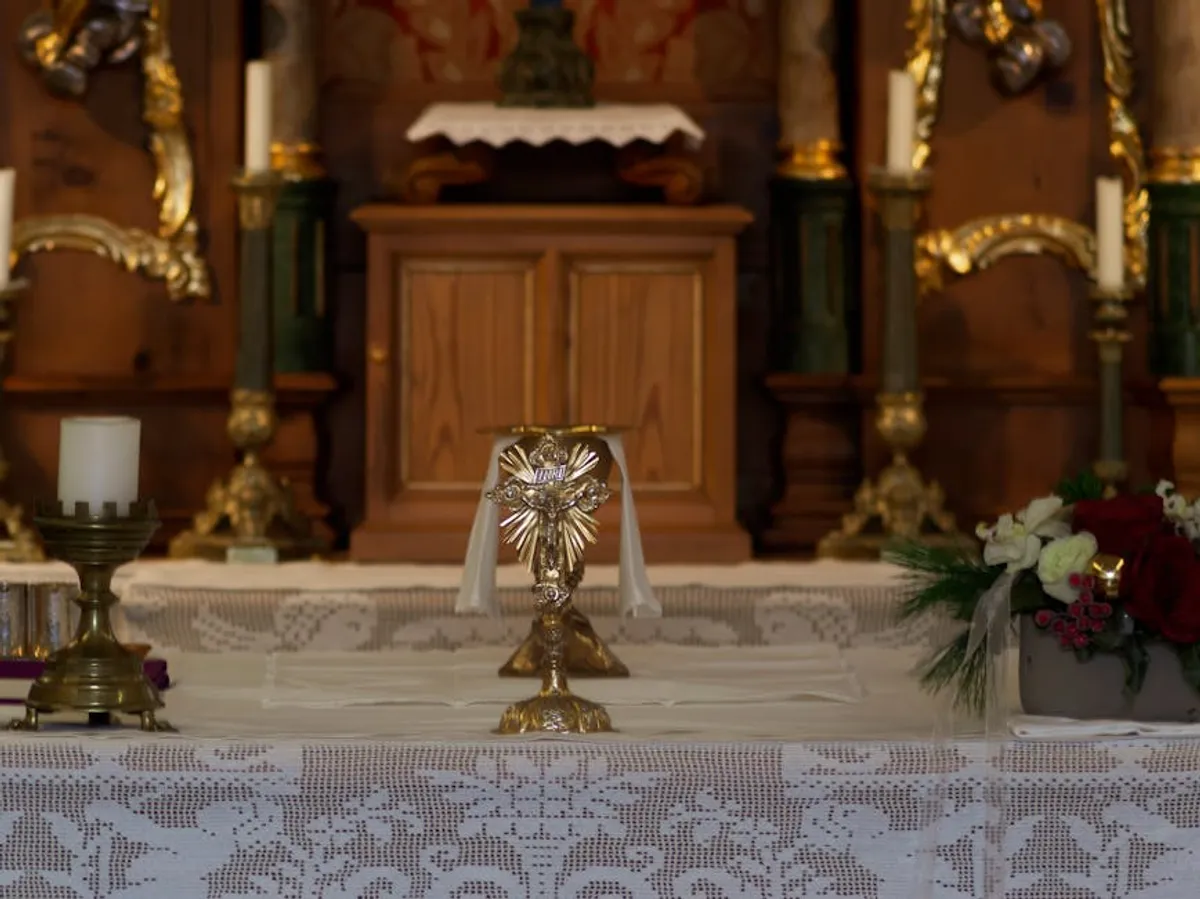
Ritual altars, found across diverse cultures and historical periods, serve as focal points for intention, veneration, and symbolic communication. Understanding the symbols and meanings embedded within these structures is crucial for accurate cultural representation, historical analysis, and even the development of nuanced narratives in various content forms. This exploration moves beyond a superficial appreciation to dissect the practical components and the layered symbolism that imbues altars with their significance, providing a framework for interpretation applicable to researchers, content creators, and cultural observers.
The Foundational Role of Ritual Altars
An altar is fundamentally a dedicated surface or structure intended for ritual activity. Its primary function is to delineate a sacred or focused space, concentrating energy and attention for specific purposes. This can range from daily acts of remembrance to elaborate ceremonial performances, each requiring a precise arrangement of elements to convey specific intentions.
Defining the Sacred Space and Function
The placement of an altar often holds as much significance as its contents. Historically, altars were situated at cardinal directions, aligned with celestial bodies, or positioned at thresholds to signify transition. Their function dictates their form: a commemorative altar might be simple, holding photographs and mementos, while a ceremonial altar for a complex rite would feature numerous tools and offerings, each with a designated position. The very act of establishing an altar is an act of creation, defining a micro-environment where ordinary rules might be suspended or transformed, facilitating a direct connection to the intended focus.
Core Structural Elements
While designs vary, altars typically feature a flat surface, often elevated, to hold various objects. Materials themselves carry meaning: stone altars convey permanence and connection to the earth, wooden altars suggest growth and natural cycles, and metal altars might imply strength or specific elemental associations. Multiple tiers or levels can symbolize hierarchies of intention or different planes of existence, with higher levels often reserved for deities or primary focal points, and lower levels for offerings or preparatory items. The choice of material, height, and overall construction are not arbitrary; they are integral to the altar's symbolic language and functional efficacy within its cultural context.
Universal Symbolic Elements on Altars
The objects placed upon an altar are rarely decorative; they are potent symbols, each contributing to the altar's overall narrative and purpose. These elements draw from universal archetypes and specific cultural traditions to communicate complex ideas in a condensed, visual format.
Elemental and Directional Representations
Many altars incorporate representations of the classical elements: Earth, Air, Fire, and Water. Earth might be represented by salt, soil, crystals, or potted plants, signifying stability, grounding, and fertility. Air often appears as incense, feathers, or chimes, symbolizing intellect, communication, and movement. Fire is typically manifested through candles, lamps, or a small flame, representing transformation, purification, and divine presence. Water is present in bowls, chalices, or mirrors, denoting emotion, intuition, and cleansing. The orientation of these elements on an altar, often corresponding to cardinal directions, reinforces their symbolic power and establishes a cosmological framework for the ritual.
Iconography of Focus and Veneration
Central to many altars are icons representing deities, ancestors, or specific intentions. These can be statues, images, framed photographs, or abstract symbols. Their presence serves as a focal point for veneration, prayer, or meditation, channeling the practitioner's attention towards the entity or concept being honored. Personal mementos, heirlooms, or items imbued with personal significance also fall into this category, acting as conduits for memory, connection, or specific energies. The choice of iconography directly communicates the altar's primary dedication and the nature of the ritual being performed.
Tools, Offerings, and Intentional Objects
Altars frequently feature specific tools used during rituals, such as wands, athames (ritual knives), chalices, or bells. Each tool has a defined symbolic role—a wand for directing energy, an athame for cutting ties or creating boundaries, a chalice for holding liquids and emotions. Offerings are another critical component, ranging from food and drink to flowers, written prayers, or symbolic gestures. These offerings represent an exchange, a giving of energy or substance to the entity or intention being invoked, reinforcing the reciprocal nature of ritual. The selection and arrangement of these objects are deliberate, forming a visual lexicon that communicates the ritual's purpose and participants' intentions.
- Candles: Illumination, divine presence, transformation, focus of intent.
- Water: Purification, intuition, emotion, reflection, cleansing.
- Salt/Earth: Grounding, protection, stability, fertility, material world.
- Incense: Purification, prayer, communication with other realms, atmosphere setting.
- Crystals/Stones: Energy amplification, specific properties (e.g., amethyst for intuition, rose quartz for love), grounding.
- Flowers/Plants: Growth, life cycles, specific plant symbolism (e.g., rosemary for remembrance, lavender for peace).
Interpreting Specific Altar Symbols
Understanding the individual components deepens the interpretation of an altar's overall message. Each item contributes to a larger narrative, and its specific placement can alter its meaning.
Candles, Fire, and Light
Candles are ubiquitous on altars, symbolizing light, life, and the presence of the divine. The color of a candle often carries specific meaning: white for purity or general purpose, red for passion or protection, green for abundance or healing. The flame itself is a powerful symbol of transformation, purification, and the active principle. Multiple candles might represent different deities, intentions, or stages of a ritual. Their placement and the direction of their flame can indicate the flow of energy or the focus of the ritual.
Water, Salt, and Earth Elements
Small bowls of water, often consecrated, represent purification, intuition, and the subconscious. Salt, frequently placed in a dish or scattered, symbolizes grounding, protection, and the earth element's ability to absorb and purify. Soil, stones, or potted plants directly connect the altar to the physical world and the cycles of nature, representing stability, growth, and the tangible aspects of existence. The presence of these elements anchors the altar, providing a foundation for spiritual or intentional work.
Incense, Smoke, and Air
Incense is used to cleanse, purify, and carry prayers or intentions on its smoke. The rising smoke symbolizes communication between the earthly and spiritual realms. Different scents of incense are chosen for their specific energetic properties—sandalwood for meditation, frankincense for purification, or jasmine for love. Feathers or chimes might also represent the air element, signifying intellect, communication, and the movement of thought and spirit.
Animal and Plant Motifs
Figurines, images, or actual parts of animals and plants (e.g., feathers, dried herbs) can represent specific qualities or entities. An owl might symbolize wisdom, a lion courage, or a serpent transformation. Plants like rosemary for remembrance, lavender for peace, or oak leaves for strength are chosen for their traditional associations. These motifs connect the altar to natural forces, archetypal energies, or specific cultural narratives, enriching its symbolic depth.
Colors, Materials, and Geometric Shapes
The colors of cloths, candles, or other items on an altar are highly symbolic: blue for peace, gold for prosperity, black for protection. The materials—wood, metal, ceramic—also carry inherent meanings. Geometric shapes, such as circles for wholeness, triangles for manifestation, or pentagrams for elemental balance, can be incorporated into the altar's design or represented by objects, adding layers of abstract meaning and energetic structure.
Pro Tip: When interpreting altar symbolism, always consider the cultural and historical context. A symbol's meaning can shift dramatically between traditions. Avoid universalizing interpretations without specific research into the originating culture's practices and beliefs.
Commercial and Cultural Relevance of Altar Interpretation
For content creators, marketers, and researchers, understanding altar symbolism offers significant advantages. Accurate portrayal in media, literature, and educational materials builds credibility and fosters deeper audience engagement. In cultural analysis, it provides insight into belief systems, social structures, and historical practices. For designers, it informs the creation of culturally sensitive and symbolically rich products or environments. Misinterpretations can lead to inaccuracies, misrepresentation, or even offense, underscoring the commercial and ethical importance of precise understanding.
Decoding Altar Symbolism: A Methodical Approach
Approaching an altar, whether in a museum, a cultural text, or a historical document, with a methodical interpretive framework ensures a more complete and accurate understanding. Begin by identifying the cultural origin and historical period, then analyze the individual components, their arrangement, and the overarching themes they convey.
Key questions for analysis:
- What is the apparent primary purpose of this altar (e.g., veneration, offering, specific ritual)?
- Which cultural or religious tradition does it belong to?
- What materials are used, and what might they signify?
- What specific objects are present, and what are their individual symbolic associations?
- How are the objects arranged? Are there focal points, directional alignments, or hierarchical placements?
- Are there any inscriptions, colors, or geometric patterns that provide additional context?
- What emotional or conceptual themes emerge from the collective symbolism?
By systematically addressing these questions, a comprehensive picture of the altar's meaning and function can be constructed, moving beyond mere observation to informed interpretation.
Frequently Asked Questions About Altar Symbols
What is the primary purpose of a ritual altar?
A ritual altar serves as a dedicated, focused space for intentional activity, veneration, or communication, concentrating energy and attention for specific spiritual, ceremonial, or commemorative purposes.
Do altar symbols have universal meanings?
While some symbols like fire or water have widespread archetypal associations, their specific meanings and interpretations can vary significantly across different cultures, religions, and historical periods. Context is crucial for accurate understanding.
How do offerings contribute to an altar's meaning?
Offerings represent an exchange or a giving of substance or energy, reinforcing the reciprocal nature of ritual. They signify respect, gratitude, or a petition, communicating the practitioner's intentions and establishing a connection with the entity or concept being honored.
Why are specific materials chosen for altar construction?
The materials used, such as stone, wood, or metal, are selected for their inherent symbolic properties. Stone might convey permanence, wood growth, and metal strength, each contributing to the altar's overall energetic and symbolic message within its cultural framework.
Leave a note in the margin
Thoughtful disagreement welcomed. Promotional links quietly removed. First-time notes are read before they appear.