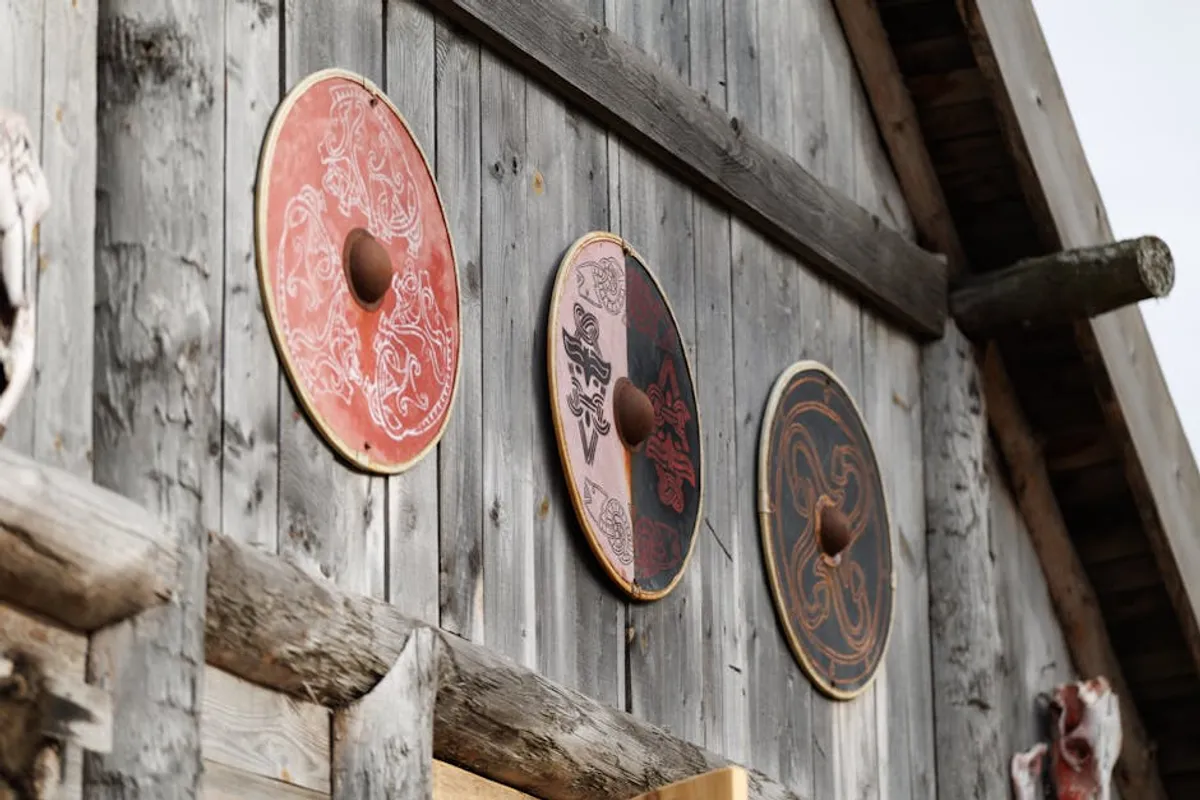
Norse mythology, a rich tapestry of gods, giants, and cosmic events, offers more than just ancient tales. For content strategists, marketers, and storytellers, understanding its foundational elements provides a deep well of archetypes, narrative structures, and cultural touchstones that resonate across diverse audiences. This guide outlines the core components of Norse mythology, framing its enduring relevance and commercial utility for those looking to tap into its powerful narrative currents.
The Cosmic Structure: Yggdrasil and the Nine Realms
At the heart of the Norse cosmos stands Yggdrasil, the World Tree, an immense ash tree connecting nine distinct realms. This cosmic structure is not merely a backdrop but an active participant in the myths, symbolizing interconnectedness and the cyclical nature of existence. Understanding these realms provides context for the actions and motivations of the deities and other beings:
- Asgard: Home of the Æsir gods, ruled by Odin. It contains Valhalla, the hall for fallen warriors.
- Midgard: The realm of humanity, protected by a wall built from the eyebrow of the giant Ymir.
- Jotunheim: The land of the Jötnar (giants), often antagonists to the gods, representing primal chaos.
- Helheim: The misty, cold realm of the dead, ruled by the goddess Hel, for those who did not die heroically in battle.
- Vanaheim: Home of the Vanir gods, associated with fertility, wisdom, and prophecy.
- Alfheim: The realm of the Light Elves, often depicted as beautiful and benevolent.
- Svartalfheim/Nidavellir: The subterranean realm of the Dark Elves or Dwarves, renowned for their craftsmanship.
- Muspelheim: A primordial realm of fire and heat, guarded by the giant Surtr.
- Niflheim: A primordial realm of ice, mist, and cold, containing the well Hvergelmir.
This intricate cosmology provides a framework for understanding the motivations and conflicts within the myths, offering a robust narrative environment adaptable for various creative and commercial applications.
The Pantheon: Key Deities and Their Archetypes
The gods and goddesses of Norse mythology are complex, often flawed beings, making them compelling figures for narrative exploration. Their distinct attributes and relationships offer a rich source of archetypal characters:
Odin: The Allfather, god of wisdom, war, poetry, and death. He sacrificed an eye for knowledge and hangs himself on Yggdrasil to learn the runes. His pursuit of wisdom and command over battle make him a figure of strategic power and profound insight.
Thor: God of thunder, strength, and protector of Midgard. Wielding Mjolnir, his hammer, Thor embodies raw power and unwavering loyalty. His straightforward nature and battles against giants offer clear narratives of heroism and defense.
Loki: The trickster god, a shapeshifter with a knack for both causing and solving problems. Loki's ambiguous morality and cunning intellect make him a dynamic character, essential for introducing conflict and unexpected turns in any story. His complex loyalties and transformative abilities provide depth.
Freya: Goddess of love, beauty, fertility, war, and magic (seidr). Freya is a multifaceted deity, commanding both allure and formidable power in battle. Her associations with wealth and prophecy make her a figure of both desire and destiny.
Other notable figures include Frigg (Odin's wife, goddess of motherhood and foresight), Heimdall (guardian of the Bifrost bridge), and Tyr (god of war, justice, and honorable sacrifice).
Pro Tip: When exploring Norse mythology, distinguish between the original Eddas and sagas and modern interpretations. While adaptations are valuable, understanding the primary sources provides a more authentic and nuanced grasp of the myths' inherent complexities and cultural context. Rely on academic translations and scholarly commentaries for foundational knowledge.
Central Narratives and Enduring Themes
Norse mythology is characterized by a cyclical worldview, with creation emerging from chaos and ultimately returning to it. Key narratives include:
Creation from Ginnungagap: The world's origin from the primordial void, where fire and ice met, giving birth to the giant Ymir and the cosmic cow Auðumbla. This narrative highlights the interplay of opposing forces as a creative principle.
The Building of Asgard and Midgard: The Æsir gods shaping the world and establishing their stronghold, often involving cunning and conflict with the giants.
Ragnarök: The prophecy of the "Doom of the Gods," a cataclysmic series of events leading to the death of many gods and the destruction of the world, followed by its rebirth. This theme of inevitable destiny and renewal provides a powerful narrative arc, emphasizing the transient nature of existence and the potential for new beginnings.
Themes of fate (wyrd), honor, sacrifice, and the struggle against overwhelming odds are woven throughout these narratives, offering powerful motifs for contemporary storytelling and brand messaging.
Beyond the Gods: Creatures and Concepts
The Norse cosmos is populated by a diverse array of beings beyond the main gods:
- Jötnar (Giants): Often antagonists, but not always evil, representing wild, untamed forces.
- Dwarves: Master craftsmen dwelling underground, responsible for many of the gods' treasures.
- Elves: Divided into Light Elves (Ljosalfar) and Dark Elves (Svartalfar), often associated with nature or skilled artistry.
- Mythical Beasts: Fenrir (the giant wolf), Jörmungandr (the Midgard Serpent), and Sleipnir (Odin's eight-legged horse) are iconic figures with significant roles in prophecies and battles.
- Valhalla: Odin's hall in Asgard, where half of the warriors slain in battle are taken by Valkyries to feast and prepare for Ragnarök.
These elements provide rich detail and opportunities for world-building, adding depth and complexity to any narrative drawing from Norse sources.
Engaging with the Primary Sources
To truly grasp Norse mythology, direct engagement with its foundational texts is essential. The two most significant are:
The Poetic Edda: A collection of Old Norse poems, compiled in Iceland, detailing creation, the lives of the gods, and heroic legends. It offers direct poetic insight into the myths.
The Prose Edda: Written by Snorri Sturluson in the 13th century, this work serves as a comprehensive guide to Norse mythology, intended to help poets understand the complex allusions in Old Norse poetry. It is structured into three main parts: Gylfaginning (a narrative overview of the myths), Skáldskaparmál (a dialogue on poetic language), and Háttatal (a treatise on poetic forms). The Prose Edda is often the most accessible starting point for beginners due to its narrative structure.
Complementing these, various sagas (e.g., Völsunga Saga, Egil's Saga) provide heroic narratives and historical context, showcasing how these myths influenced early Scandinavian societies.
Frequently Asked Questions
What are the primary sources for Norse mythology?
The primary sources are the Poetic Edda and the Prose Edda, both compiled in Iceland, which contain poems and narratives detailing the myths of the gods and heroes.
Is Norse mythology still practiced today?
Yes, various forms of modern paganism, often referred to as Heathenry or Asatru, draw inspiration from and actively practice elements of Norse mythology and beliefs.
How is Norse mythology different from Greek or Roman mythology?
Norse mythology often features a more somber, cyclical worldview with a clear prophecy of the end (Ragnarök), and its gods are generally more flawed and less immortal in the traditional sense compared to the often more static and anthropocentric Greek and Roman pantheons.
What is Ragnarök?
Ragnarök is the prophesied "Doom of the Gods," a series of catastrophic events including a great winter, major battles between gods and monstrous beings, the death of many prominent deities, and the destruction and subsequent rebirth of the world.
Leave a note in the margin
Thoughtful disagreement welcomed. Promotional links quietly removed. First-time notes are read before they appear.