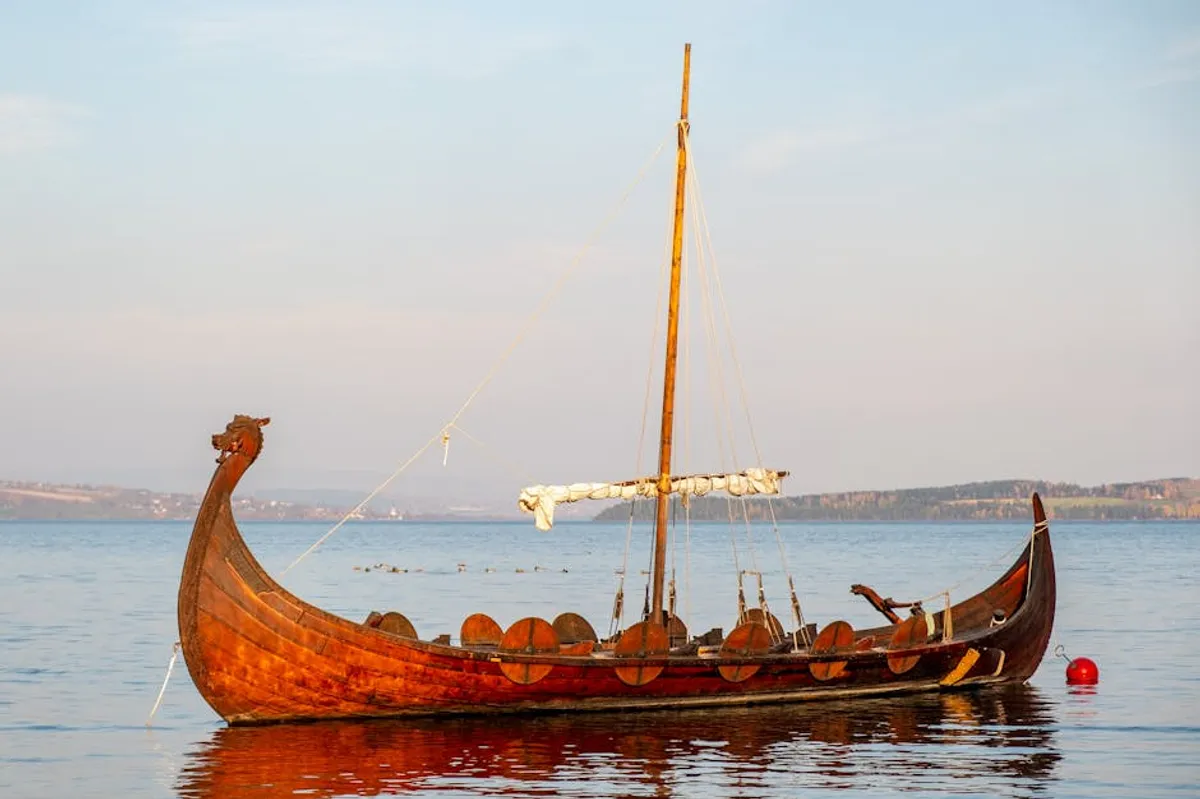
The enduring power of Norse mythology symbols extends far beyond ancient sagas, permeating modern branding, entertainment, and digital content. For content creators, marketers, and site owners, understanding the precise meaning and historical context of these symbols is not merely academic; it is a strategic imperative. Misinterpretations or superficial applications can dilute impact, mislead audiences, or, at worst, lead to cultural misrepresentation. This guide provides a focused explanation of key Norse mythological symbols, detailing their origins and true significance to inform responsible and effective content development.
The strategic use of these symbols requires an appreciation for their deep cultural roots and the worldview they represent. Accurately integrating these elements into content enhances authenticity and resonates with audiences seeking depth beyond superficial aesthetics. This detailed understanding allows for nuanced storytelling, precise thematic alignment, and the avoidance of common pitfalls associated with generic or inaccurate cultural references.
The Cultural Significance of Norse Symbolism
Norse symbols were not mere decorative elements; they were imbued with profound meaning, representing core beliefs, cosmic structures, and the forces governing existence. Carved into runestones, weapons, and personal adornments, they served as visual shorthand for complex mythological narratives, divine powers, and protective energies. These symbols communicated identity, status, and spiritual conviction within Norse society. Their resurgence in contemporary culture stems from a fascination with their perceived strength, ancient wisdom, and connection to a rich, often dramatic, historical narrative. Their enduring presence in historical artifacts makes exploring runes symbols and their meanings a fascinating journey into the past.
For content strategy, this means symbols carry inherent weight. A Mjölnir design communicates power and protection, while Yggdrasil speaks to interconnectedness and cosmic order. Leveraging these established associations can provide immediate thematic context for products, services, or narratives, but only if the underlying meaning is respected and accurately conveyed. The commercial utility lies in tapping into a pre-existing cultural lexicon, but this requires precision to maintain credibility.
Key Norse Mythology Symbols and Their Interpretations
Understanding the specific interpretations of prominent Norse symbols is crucial for their responsible application. Each symbol carries a distinct narrative and set of associations that inform its appropriate use.
Mjölnir (Thor's Hammer)
Meaning: Consecration, protection, power, destruction of evil, fertility.
Origin: The primary weapon of the god Thor, crafted by the dwarf brothers Sindri and Brokkr. Mjölnir was said to always return to Thor's hand after being thrown and could be shrunk to fit inside his tunic.
Context: Beyond its use in battle against giants and monsters, Mjölnir was used to hallow things, bless marriages, and consecrate births. It symbolized the protection of Midgard (the human world) and the cosmic order.
Modern Relevance: Widely recognized, Mjölnir is often used to represent strength, resilience, and guardianship. Its iconic shape makes it a popular motif in jewelry, art, and media.
Yggdrasil (The World Tree)
Meaning: The cosmos, interconnectedness, life, death, rebirth, fate, knowledge.
Origin: The immense ash tree that constitutes the axis mundi (world axis) in Norse cosmology. Its roots reach into various realms, including Asgard, Jotunheim, and Niflheim, while its branches extend over all nine worlds.
Context: Yggdrasil links all of existence, with various creatures living within its branches and roots, such as the dragon Níðhöggr and the squirrel Ratatoskr. It represents the cyclical nature of existence and the deep, underlying structure of the universe.
Modern Relevance: A powerful symbol for themes of unity, growth, heritage, and the interconnectedness of all things. It is frequently employed in designs emphasizing nature, spirituality, or complex systems.
Valknut (Odin's Knot)
Meaning: Death, warrior culture, Odin, fate, the afterlife.
Origin: A symbol consisting of three interlocking triangles. Its exact meaning is debated among scholars, but it is consistently found in contexts associated with death, particularly in connection with Odin and fallen warriors. It appears on runestones and grave goods.
Context: Often interpreted as representing Odin's power to bind and unbind, connecting the living and the dead, or symbolizing the transition from life to the afterlife. It is a powerful, yet somber, symbol.
Modern Relevance: Used to evoke themes of destiny, sacrifice, and the spiritual journey of warriors. Its cryptic nature adds to its mystique.
Huginn and Muninn (Odin's Ravens)
Meaning: Thought (Huginn), Memory (Muninn), wisdom, communication, Odin's omnipresence.
Origin: Two ravens that serve Odin, flying over all of the nine worlds each day and reporting their observations back to him. They are Odin's eyes and ears.
Context: These ravens symbolize Odin's quest for knowledge and his connection to the world. They represent the intellectual and perceptive aspects of the divine.
Modern Relevance: Ideal for representing intelligence, insight, surveillance, or the gathering of information. Often used in content related to strategy, knowledge, or observation.
Gungnir (Odin's Spear)
Meaning: Authority, justice, war, sacrifice, unwavering aim.
Origin: Odin's spear, crafted by the dwarf Dvalinn (or the Sons of Ivaldi). It was said to always hit its target and never miss. Odin used it to initiate the first war between the Æsir and Vanir.
Context: Gungnir represents Odin's role as the Allfather, a god of war, wisdom, and magic. It embodies decisive action and divine judgment.
Modern Relevance: A less common but potent symbol for leadership, precision, and the pursuit of justice or victory. It can convey gravitas and purpose.
Runes (Elder Futhark)
Meaning: Communication, magic, divination, individual concepts.
Origin: The ancient alphabets used by Germanic peoples, with the Elder Futhark being the oldest form (c. 150–800 AD). Each rune had a phonetic value and an associated meaning or concept (e.g., Fehu for cattle/wealth, Uruz for wild ox/strength).
Context: Runes were not just letters; they were believed to have magical properties and were used for inscriptions, charms, and divination. Their meanings are complex and open to interpretation based on context.
Modern Relevance: Used for esoteric branding, personalized content, or to evoke ancient wisdom and mystery. The individual meanings of runes can be leveraged for specific thematic messages.
Pro Tip: When incorporating Norse symbols, avoid merely copying popular depictions from modern media. Research their historical forms and contexts. For example, the "Helm of Awe" (Aegishjalmur) and "Vegvisir" are often presented as ancient Viking symbols, but their primary documented origins are in Icelandic grimoires from the 17th century, long after the Viking Age. While interesting, presenting them as core Norse mythological symbols without this caveat can be misleading. Prioritize symbols with clear archaeological and textual evidence from the pre-Christian Norse period for maximum authenticity.
Applying Norse Symbolism Responsibly in Content
Responsible application of Norse symbolism requires a commitment to accuracy and cultural sensitivity. This extends beyond simply knowing what a symbol means; it involves understanding its historical usage and avoiding appropriation or trivialization. For commercial content, this means:
- Verifying Historical Accuracy: Cross-reference meanings and origins with academic sources, not just popular culture.
- Contextual Relevance: Ensure the symbol aligns logically with the product, service, or narrative. A symbol of protection might suit security software, while a symbol of interconnectedness fits a network service.
- Avoiding Misappropriation: Be mindful of the symbol's original cultural significance. Using symbols purely for aesthetic appeal without understanding can be perceived as disrespectful.
- Educating the Audience: Where appropriate, provide brief explanations of the symbols used to enhance audience understanding and appreciation, positioning your content as authoritative.
The goal is to leverage the inherent power and recognition of these symbols to add depth and resonance to your content, not to merely decorate it. Authenticity builds trust and engagement, which are critical metrics for any content strategy.
Strategic Integration of Norse Themes
Integrating Norse symbols and themes strategically involves more than just visual elements; it encompasses narrative, tone, and the underlying message. For content developers and marketers, this means:
- Thematic Consistency: Ensure the chosen symbols align with the overarching theme of your brand or content. If your brand emphasizes strength and resilience, Mjölnir or Gungnir might be appropriate. If it's about knowledge and insight, Huginn and Muninn fit well.
- Audience Alignment: Consider your target audience's existing knowledge and interest in Norse mythology. For a niche audience, deeper cuts into less common symbols might resonate more. For a broader audience, sticking to widely recognized symbols like Mjölnir is safer.
- Narrative Enhancement: Use symbols to enrich storytelling. For instance, a narrative about overcoming challenges could subtly incorporate the idea of Odin's sacrifices for knowledge, represented by the Valknut.
- SEO and Keyword Strategy: While the symbols themselves are visual, the concepts they represent can inform keyword research. Terms like "Norse protection symbols," "Viking wisdom symbols," or "symbols of interconnectedness" can attract specific search intent.
By treating Norse symbols as powerful communicators of meaning rather than simple graphics, content creators can craft more impactful, memorable, and culturally sensitive narratives that resonate deeply with their intended audience.
Frequently Asked Questions
Are all "Viking" symbols genuinely ancient Norse?
No. While many symbols commonly associated with Vikings are genuinely ancient Norse (e.g., Mjölnir, Yggdrasil), others like the Vegvisir and Aegishjalmur are primarily found in much later Icelandic magical grimoires (17th-19th centuries) and are not direct products of the Viking Age.
How can I ensure accuracy when using Norse symbols in my content?
Consult academic sources, archaeological findings, and reputable historical texts rather than relying solely on popular culture or commercial interpretations. Cross-referencing multiple verified sources provides the strongest foundation for accuracy.
What is the significance of animal symbolism in Norse mythology?
Animals played crucial roles, often associated with specific gods or cosmic forces. Ravens (Huginn and Muninn) symbolize thought and memory, wolves (Geri and Freki) accompany Odin and symbolize ferocity, and the serpent Jörmungandr encircles Midgard, representing the boundary of the known world. Each animal carries distinct mythological weight.
Is it appropriate to use Norse symbols for commercial purposes?
Yes, but with careful consideration for cultural sensitivity and accuracy. When symbols are used respectfully, with an understanding of their true meaning and context, they can add depth and appeal to commercial products or content. Avoid trivializing their significance or misrepresenting their origins.
Leave a note in the margin
Thoughtful disagreement welcomed. Promotional links quietly removed. First-time notes are read before they appear.