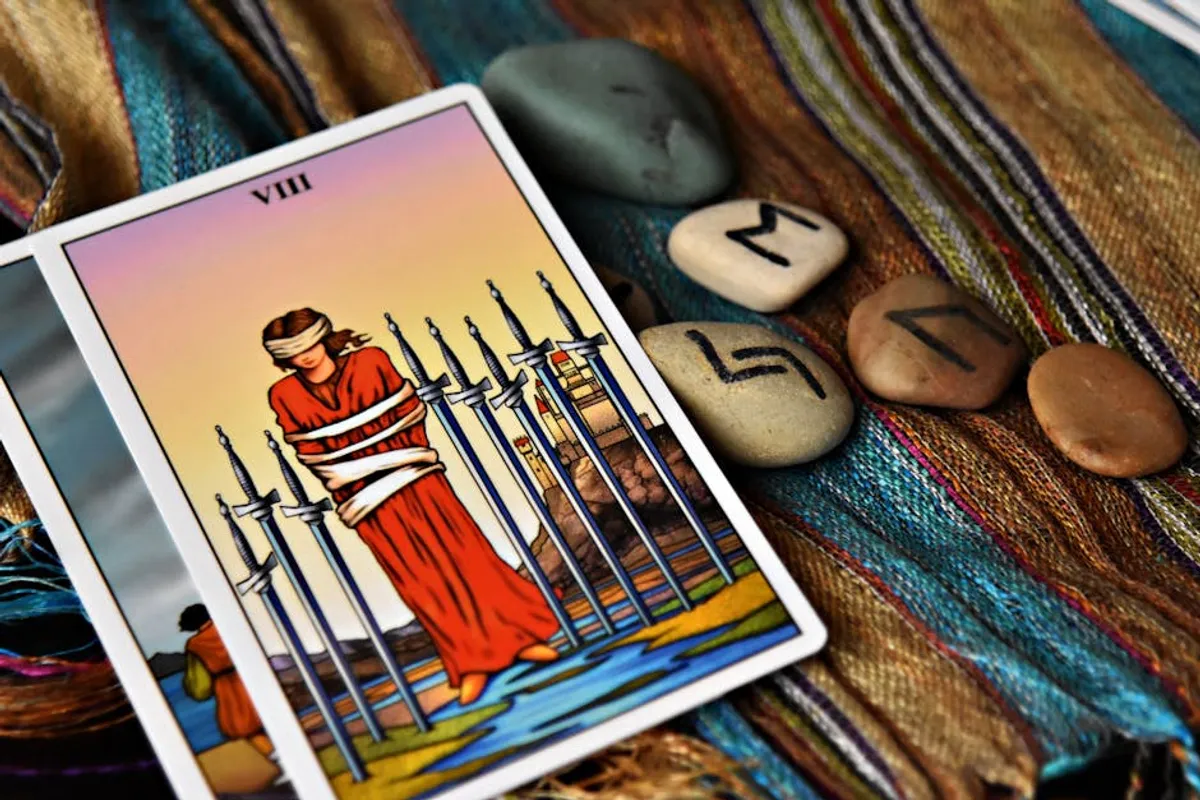
Runes, an ancient script originating with Germanic peoples, served as more than just an alphabet. They functioned as a system of symbols, each imbued with distinct meanings, used for both writing and interpretive practices. Understanding these symbols and their associated concepts offers insight into historical cultural perspectives and provides a framework for personal reflection in contemporary contexts.
For those exploring ancient symbolic systems, or seeking a deeper connection to historical forms of wisdom, the Elder Futhark offers a structured entry point. Its 24 distinct characters provide a comprehensive, yet manageable, set of archetypal representations. Grasping the layers of meaning within each rune allows for informed interpretation, whether for personal guidance, creative inspiration, or cultural study.
Understanding the Elder Futhark: A Foundational System
The Elder Futhark is the oldest known runic alphabet, primarily used from the 2nd to the 8th centuries CE. It consists of 24 runes, divided into three groups of eight, known as Aetts (Old Norse for "families" or "groups"). Each rune possesses a phonetic value, a name, and a symbolic meaning, reflecting aspects of the natural world, human experience, and spiritual concepts prevalent in ancient Germanic societies.
The structure of the Aetts provides a thematic progression. The first Aett, Freyr's Aett, often relates to creation, sustenance, and the fundamental aspects of life. The second, Hagal's Aett, addresses challenges, transformation, and natural forces. The third, Tyr's Aett, focuses on justice, leadership, and spiritual victory. This organized system facilitates a deeper understanding of runic interconnections rather than viewing each rune in isolation.
Freyr's Aett: Runes of Creation and Sustenance
This initial Aett introduces runes associated with the primordial forces and resources essential for existence. It lays the groundwork for understanding the tangible and intangible assets that sustain life and community.
- Fehu (ᚠ): Represents cattle, wealth, and material possessions. Its meaning extends to earned income, prosperity, and the responsibility that accompanies abundance. It signifies the cyclical nature of wealth: needing to be used and shared to maintain its flow.
- Uruz (ᚢ): Symbolizes wild ox, primal strength, and untamed energy. This rune speaks to raw vitality, endurance, and the formation of self through challenge. It suggests a need to tap into inner reserves or confront fundamental forces.
- Thurisaz (ᚦ): The thorn, representing giants, conflict, and destructive forces. It signifies a necessary destructive element for growth, a challenge that forces change, or a protective barrier. Understanding Thurisaz involves recognizing the power of chaos and controlled confrontation.
- Ansuz (ᚨ): The mouth, divine breath, or a message. It relates to communication, inspiration, wisdom, and divine connection. Ansuz often points to the need for clear expression, listening to inner guidance, or receiving important messages.
Hagal's Aett: Runes of Challenge and Transformation
The second Aett delves into the forces of nature and the inevitable changes and challenges that shape experience. These runes often highlight lessons learned through adversity and the process of personal evolution.
- Hagalaz (H): Hail, representing disruptive natural forces, unavoidable events, and sudden change. This rune suggests a need to adapt to circumstances beyond one's control, often leading to a necessary clearing or re-evaluation.
- Nauthiz (N): Need, constraint, or distress. It signifies necessity, patience, and the lessons learned through hardship. Nauthiz often points to a situation where limitations force innovation or a deeper understanding of one's true needs.
- Isa (ᛁ): Ice, symbolizing stillness, stagnation, or a pause. It suggests a period of reflection, waiting, or temporary inaction. Isa can indicate a need to conserve energy or to observe before proceeding.
- Jera (ᛃ): Year, harvest, or cycle. It represents the successful outcome of effort, the fruition of plans, and the natural progression of time. Jera signifies a reward for patience and hard work, emphasizing cyclical patterns.
Tyr's Aett: Runes of Guidance and Victory
The final Aett focuses on themes of justice, leadership, spiritual aspiration, and ultimate success. These runes provide guidance for ethical conduct, courageous action, and the attainment of personal and communal goals.
- Tiwaz (ᛏ): Tyr, the sky god of justice and sacrifice. This rune represents honor, justice, leadership, and rational decision-making. Tiwaz encourages self-sacrifice for a greater cause, courage in conviction, and seeking truth.
- Berkana (ᛒ): Birch, symbolizing growth, rebirth, and fertility. It relates to new beginnings, nurturing, and the development of ideas or relationships. Berkana signifies healing, regeneration, and the unfolding of potential.
- Ehwaz (ᛖ): Horse, representing partnership, trust, and movement. It speaks to collaboration, loyalty, and steady progress. Ehwaz often indicates successful teamwork, harmonious relationships, or a journey undertaken with a trusted companion.
- Dagaz (ᛞ): Day, dawn, or breakthrough. It symbolizes enlightenment, new awareness, and significant transformation. Dagaz represents a moment of clarity, a successful conclusion, or the overcoming of darkness, signifying hope and new opportunities.
Interpreting Runes: Beyond Literal Translation
Runic interpretation is not a rigid science but an intuitive art, combining historical understanding with personal context. Each rune's meaning is multifaceted, and its relevance shifts based on its position, surrounding runes, and the specific question or situation being addressed. A rune rarely provides a definitive answer; instead, it offers a lens through which to examine circumstances, motivations, and potential paths.
Consider this: The rune Kenaz (ᚲ), meaning "torch" or "knowledge," might suggest enlightenment in one context, while in another, it could signify the need to shed light on a hidden issue or a creative spark. The specific nuance emerges from the interpreter's engagement with the symbols.
Pro Tip: When engaging with runic symbols, prioritize self-reflection over predictive certainty. Runes function most effectively as prompts for introspection, helping to clarify internal states and external situations, rather than dictating future events. Their value lies in fostering deeper self-awareness and guiding informed decision-making.
Practical Applications of Runic Knowledge
Understanding runic symbols extends beyond historical interest. Their archetypal meanings can be applied in various practical ways:
- Personal Development: Use runes as journaling prompts, focusing on the meaning of a daily chosen rune to explore personal challenges or aspirations.
- Creative Inspiration: Integrate runic symbolism into art, writing, or design projects, drawing on their rich historical and mythological associations.
- Symbolic Representation: Employ specific runes as personal talismans or focal points for meditation, aligning with their core meanings for empowerment or clarity.
- Problem Solving: Cast runes to gain a different perspective on complex situations, allowing their symbolic interplay to illuminate hidden factors or potential solutions.
Integrating Runic Wisdom
The study of runes is an ongoing journey, offering layers of meaning that unfold with continued engagement. By understanding the historical context and the nuanced interpretations of each symbol within the Elder Futhark, individuals can leverage this ancient system for personal growth, creative insight, and a deeper connection to archetypal forces. The practical application lies in using these symbols as tools for introspection and informed action, rather than as definitive pronouncements.
Frequently Asked Questions About Runes
What is the primary difference between Elder Futhark and Younger Futhark?
The Elder Futhark is the older and more extensive runic alphabet with 24 characters, used primarily up to the 8th century. The Younger Futhark, developed later in the Viking Age, condensed the alphabet to 16 runes, adapting to phonetic changes in the Norse language.
Can anyone use runes for divination or personal insight?
Yes, anyone can engage with runes for personal insight. The process relies on understanding the symbols' meanings and applying them to one's personal context. It is less about mystical power and more about using archetypal symbols as a framework for introspection and self-reflection.
Are runes associated with any specific religion or belief system?
Runes originated within the pagan traditions of Germanic and Norse cultures. While they are often associated with Heathenry or other neo-pagan spiritual paths today, their use for personal reflection or symbolic understanding does not inherently require adherence to a specific religious doctrine.
How should a beginner approach learning about runes?
Beginners should start by studying the Elder Futhark, focusing on each rune's name, phonetic value, and core symbolic meanings. Reading historical texts and reputable modern interpretations helps build a foundational understanding. Practice with simple daily draws for personal reflection to internalize the meanings.
Leave a note in the margin
Thoughtful disagreement welcomed. Promotional links quietly removed. First-time notes are read before they appear.