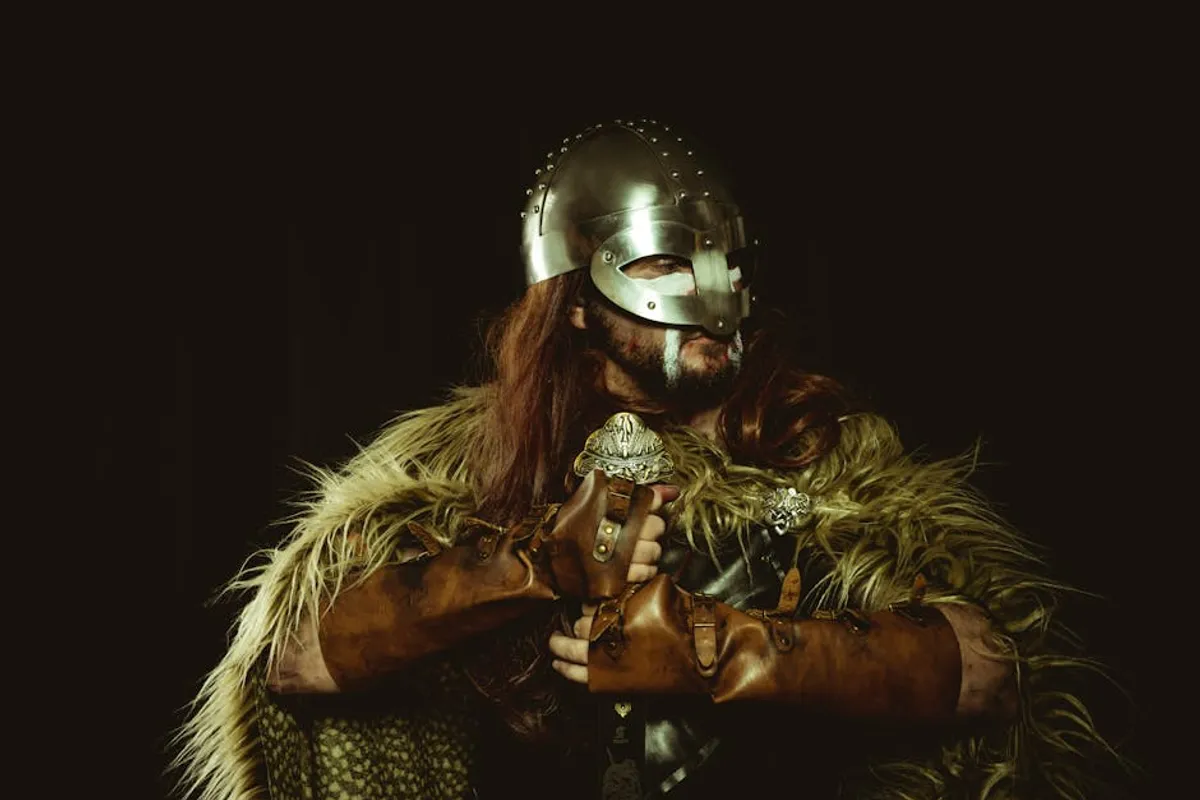
Valkyries, figures central to Norse mythology, represent a unique intersection of martial prowess, divine will, and fate. For content creators, publishers, and marketers, understanding these entities goes beyond mere historical interest; it taps into an enduring cultural archetype with significant search volume and broad appeal across fantasy, history, and even empowerment narratives. Their consistent presence in modern media, from literature to gaming, underscores a persistent audience interest that can be leveraged for relevant, high-performing content. This exploration details their mythological roles, characteristics, and the underlying reasons for their continued commercial and cultural impact, providing a framework for developing informed content strategies. Their consistent presence in modern media, from literature to gaming, underscores a persistent audience interest that can be leveraged for relevant, high-performing content, especially when exploring the enduring cultural archetypes of Norse goddesses.
Defining the Valkyries: Origins and Role
The term "Valkyrie" derives from Old Norse valkyrja, meaning "chooser of the slain" (from valr, "the slain on the battlefield," and kyrja, "chooser"). These female figures are not simply warriors; they are divine attendants of Odin, the Allfather, tasked with a specific, crucial role in the cosmic order. Their primary function involves hovering over battlefields, observing the conflict, and selecting the most heroic and worthy warriors who have fallen. These chosen dead, known as the einherjar, are then escorted to Valhalla, Odin's hall in Asgard.
Their existence is intrinsically linked to the preparation for Ragnarök, the prophesied end of the world. The einherjar train daily in Valhalla, honing their skills to fight alongside Odin during this ultimate cosmic confrontation. This direct connection to the fate of gods and men elevates Valkyries from mere battlefield scavengers to pivotal agents of destiny, shaping the spiritual and martial landscape of the Norse cosmos.
Distinctive Attributes and Mythological Presence
Valkyries are consistently depicted with specific attributes that reinforce their dual nature as fearsome warriors and divine messengers. They are often portrayed as beautiful, formidable maidens clad in armor, riding winged horses or wolves, and wielding spears or swords. Their armor is said to shimmer, sometimes creating the aurora borealis, a visual testament to their celestial connection.
Their association with Odin is paramount; they are extensions of his will. While they choose the slain, this choice is not arbitrary but guided by Odin's need for the mightiest warriors. In Valhalla, they serve the einherjar, offering mead and attending to their needs, further solidifying their role as divine hostesses and caretakers of the chosen. However, their mythological presence extends beyond the battlefield and Valhalla. Some Valkyries, like Sigrún or Brynhildr, feature prominently in hero sagas, demonstrating agency, engaging in complex relationships, and even influencing mortal affairs through prophecy or direct intervention. These narratives illustrate their capacity for love, vengeance, and the shaping of human destinies, adding layers to their character beyond their martial duties.
Modern Resonance and Content Opportunities
The enduring appeal of Valkyries in contemporary culture is multifaceted. Their imagery is instantly recognizable and resonates across various demographics interested in fantasy, mythology, and strong female archetypes. This cultural ubiquity translates into consistent search interest and content potential:
- Gaming and Media: Valkyries are prominent characters in video games (e.g., God of War, Assassin's Creed Valhalla), films (e.g., Marvel's Thor franchise), and television series. This exposure continually refreshes public interest and drives search queries for their lore, origins, and depictions.
- Literature and Art: From Wagner's operas to modern fantasy novels, Valkyries inspire narratives that explore themes of fate, heroism, and divine intervention. Visual artists frequently depict them, leveraging their iconic aesthetic.
- Branding and Symbolism: The Valkyrie archetype symbolizes strength, courage, protection, and destiny. Brands in sectors like fitness, adventure sports, or even finance might implicitly or explicitly reference these traits to evoke resilience and power. Content exploring these symbolic applications can attract a diverse audience.
Understanding these modern touchpoints allows content creators to bridge historical lore with contemporary relevance, tapping into established search trends and audience engagement.
Pro Tip: When developing content around mythological figures like Valkyries, prioritize accuracy and primary source consultation (e.g., the Poetic Edda, Prose Edda). Misinterpretations or oversimplifications can dilute credibility and alienate informed audiences. Focus on the nuances of their roles and avoid generic fantasy tropes unless explicitly discussing modern interpretations. This approach ensures content is both authentic and authoritative, enhancing its long-term SEO value.
Strategic Content Development from Valkyrie Lore
Leveraging the deep lore of Valkyries for content requires a strategic approach focused on audience intent and diverse content formats. Consider the following:
Identifying Audience Intent
Search queries related to Valkyries often fall into distinct intent categories:
- Informational: Users seeking definitions, origins, lists of names, or detailed explanations of their roles. Content should provide comprehensive, well-sourced information.
- Navigational: Users looking for specific Valkyries (e.g., "Brynhildr myth," "Sigrún story"). Dedicated character profiles or narrative breakdowns are effective.
- Commercial/Transactional (Indirect): Users interested in merchandise, games, or media featuring Valkyries. Content can review these products, discuss their historical accuracy, or provide buying guides for related items (e.g., "best Valkyrie-inspired jewelry").
Leveraging Mythological Nuance for Engagement
Beyond basic explanations, explore the complexities:
- Comparative Analyses: Compare Valkyries to similar figures in other mythologies (e.g., Greek Furies, Celtic Banshees) to capture broader mythological interest.
- Thematic Deep Dives: Articles exploring themes like "Valkyries and Fate," "The Role of Women in Norse Mythology," or "Valhalla: The Afterlife of Heroes."
- Historical Context: Discuss how Viking Age societal structures or beliefs might have influenced the Valkyrie concept, appealing to history enthusiasts.
- Modern Depictions vs. Lore: Analyze how contemporary media adapts Valkyrie lore, highlighting differences and similarities. This appeals to fans of both mythology and pop culture.
Each of these angles offers distinct keyword opportunities and caters to specific audience segments, expanding content reach and authority.
Harnessing Enduring Archetypes
The Valkyries are more than just figures from ancient myths; they are enduring archetypes representing strength, destiny, and the intersection of the divine and the mortal. Their continued presence in popular culture and consistent search interest confirm their relevance. For content creators, understanding the depth of their lore, their evolving interpretations, and the diverse audience intents they serve provides a rich foundation for developing engaging, authoritative, and commercially valuable content. By focusing on accuracy, addressing varied search intents, and exploring both historical context and modern resonance, publishers can effectively tap into this powerful mythological current.
Frequently Asked Questions
Who are the most famous Valkyries?
While the Eddas mention many Valkyries, some of the most prominent include Brynhildr, Sigrún, Hildr, and Gunnr. Brynhildr, in particular, features heavily in the Völsunga Saga and the Nibelungenlied, showcasing her complex role and tragic fate.
Do Valkyries only appear on battlefields?
While their primary role is choosing the slain on battlefields, Valkyries also appear in other contexts. Some sagas depict them as lovers of mortal heroes, as seers, or as figures who can influence human events beyond direct combat, such as in the Helgakviða poems.
What is the connection between Valkyries and the aurora borealis?
In some Norse traditions, the shimmering light of the Valkyries' armor and spears as they ride across the sky is believed to be the cause of the aurora borealis, or Northern Lights. This poetic association links their divine presence directly to a natural celestial phenomenon.
Are Valkyries goddesses?
Valkyries are generally considered divine or semi-divine beings, often referred to as Odin's handmaidens or messengers. While they possess supernatural abilities and are integral to the cosmic order, they are typically distinguished from the primary Æsir and Vanir goddesses.
Leave a note in the margin
Thoughtful disagreement welcomed. Promotional links quietly removed. First-time notes are read before they appear.