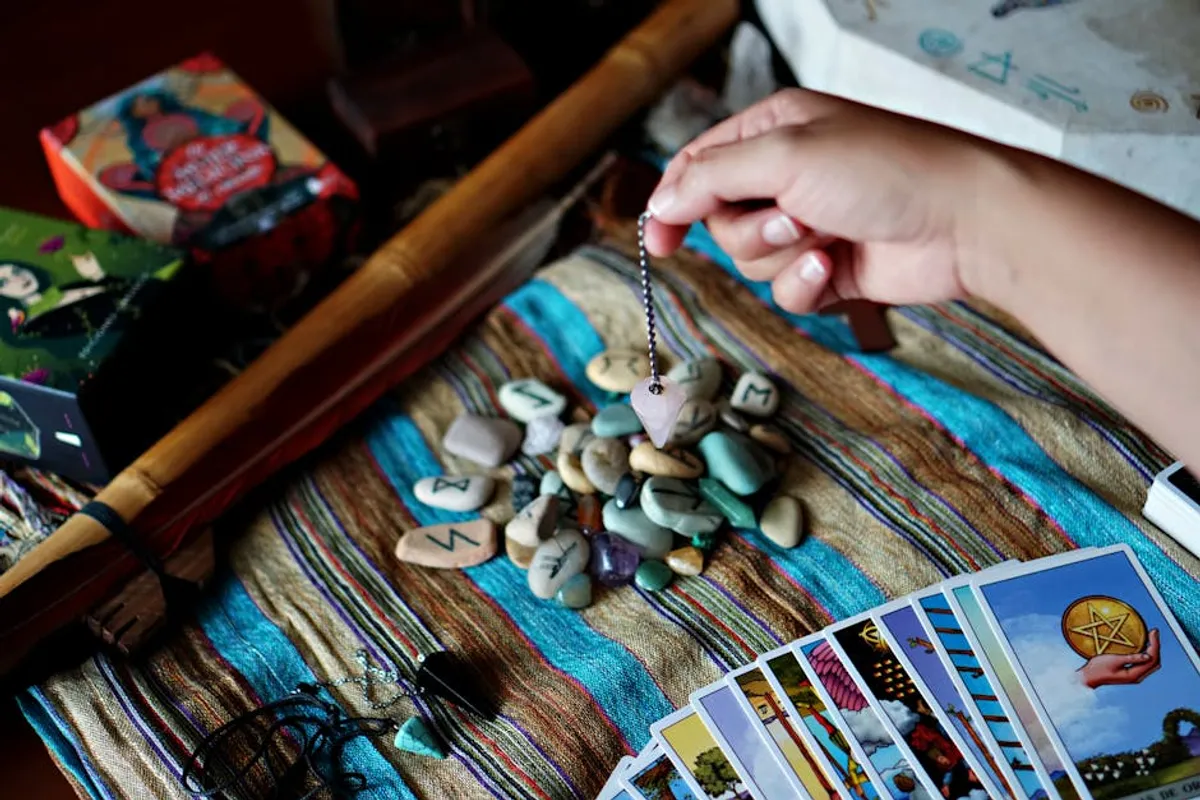
Runes represent an ancient system of symbols, historically serving as both an alphabet and a divinatory tool. For beginners, approaching runes involves understanding their historical context, individual meanings, and practical application. This guide outlines the foundational knowledge necessary to begin working with runes, emphasizing a reflective and personal approach over definitive fortune-telling.
The Origins and Evolution of Runic Systems
The term "rune" translates to "secret" or "mystery," reflecting their use beyond mere written communication. The earliest known runic alphabet, the Elder Futhark, emerged around the 1st to 4th centuries CE among Germanic tribes. It consists of 24 distinct symbols, each with phonetic, symbolic, and divinatory significance. These runes were carved into wood, stone, bone, and metal, used for inscriptions, marking possessions, and ceremonial purposes.
Over time, runic systems evolved regionally. The Younger Futhark, a simplified 16-rune alphabet, became prevalent in Scandinavia during the Viking Age (c. 8th to 11th centuries). In Anglo-Saxon England, the Futhorc expanded to include 29 to 33 runes, adapting to the Old English language. While the forms and number of runes varied, the underlying principle of each symbol carrying a specific meaning persisted across these systems.
Understanding the Elder Futhark: A Starting Point
For most beginners, the Elder Futhark is the recommended starting point due to its comprehensive symbolism and widespread documentation. Each of the 24 runes is associated with a sound, a concept, and often a deity or natural element. They are traditionally grouped into three Aettir (families) of eight runes each, though for initial learning, focusing on individual meanings is more direct.
Consider a few examples to illustrate their depth:
- Fehu (ᚠ): Represents cattle, wealth, abundance, and new beginnings. It signifies movable property and earned success.
- Uruz (ᚢ): Symbolizes wild ox, strength, primal power, and untamed energy. It can indicate good health or a test of endurance.
- Thurisaz (ᚦ): Depicts a thorn or giant, representing defensive power, conflict, and destructive force. It often warns of danger or a need for careful consideration.
- Ansuz (ᚨ): Signifies the Aesir gods, communication, inspiration, and divine breath. It points to messages, wisdom, or spiritual guidance.
- Raidho (ᚱ): Represents a ride or journey, both physical and spiritual. It suggests movement, progress, and correct action.
Each rune's meaning can also have an inverted or reversed interpretation, offering a nuanced perspective on challenges or blockages. For instance, an inverted Fehu might suggest loss or disappointment, while a reversed Raidho could indicate a stalled journey or incorrect path.
Acquiring and Preparing Your First Rune Set
Starting with runes typically involves acquiring a physical set. These can be purchased or crafted. Common materials include wood (oak, ash, birch are traditional), stone, bone, or even clay.
Material Considerations:
- Wood: Lightweight, easily carved, and connects to natural elements.
- Stone: Durable, grounding, and often associated with permanence.
- Bone/Antler: Traditional, connects to ancestral wisdom, but may not appeal to all.
Once you have a set, many practitioners choose to cleanse and consecrate their runes. This process is personal but generally involves clearing previous energies and dedicating the runes to your own use. Methods include:
- Smoke Cleansing: Passing runes through the smoke of herbs like sage or cedar.
- Salt Bath: Placing runes in a bowl of sea salt for a period.
- Moonlight/Sunlight: Leaving them under the light of the full moon or direct sunlight.
- Personal Intention: Holding each rune and imbuing it with your energy and purpose.
Best for: Establishing a personal connection and removing residual energies from manufacturing or previous handling.
Basic Methods for Rune Casting and Interpretation
Rune casting is not about predicting a fixed future but rather about gaining insight into current situations, potential outcomes, and personal challenges. It acts as a tool for self-reflection and guidance.
The Single Rune Pull
This is the simplest method for beginners. Formulate a clear question or intention. Reach into your rune bag without looking and draw a single rune. The meaning of this rune, along with its orientation (upright or reversed), provides insight into your query.
Use case: Daily reflection, quick guidance on a specific decision.
The Three-Rune Spread
A slightly more complex but highly effective method involves drawing three runes. These are typically interpreted as:
- Rune 1 (Past/Foundation): Represents the underlying influences, past events, or root cause of the situation.
- Rune 2 (Present/Challenge): Reflects the current state, immediate obstacles, or core issue.
- Rune 3 (Future/Guidance): Offers potential outcomes, advice, or the path forward based on current trajectory.
Use case: Gaining a broader perspective on a problem, understanding progression.
Pro Tip: Maintain a dedicated rune journal. Document the date, your question, the runes drawn, and your initial interpretation. Over time, reviewing these entries will reveal patterns, deepen your understanding of individual rune meanings, and highlight your personal growth in interpreting the symbols. This practice reinforces the reflective nature of rune work.
Ethical Practice and Mindful Engagement
Working with runes requires a respectful and ethical approach. Avoid treating runes as a definitive fortune-telling mechanism. They offer perspectives and insights, not unchangeable prophecies. The power lies in their ability to stimulate introspection and highlight aspects of a situation you might not have considered.
Key principles:
- Personal Responsibility: Understand that the advice offered by runes is a guide, and your actions ultimately shape your path.
- Respect for the System: Approach runes with seriousness, acknowledging their historical and cultural significance.
- Clarity in Questioning: Formulate specific, open-ended questions rather than "yes/no" queries. This encourages deeper reflection.
- Non-Predictive Use: Focus on understanding present energies and potential outcomes rather than demanding absolute predictions.
Continuing Your Runic Journey
Beginning with runes is an ongoing process of learning and personal discovery. The initial steps involve familiarizing yourself with the Elder Futhark, preparing a set, and practicing basic spreads. As you progress, you will develop a more intuitive connection with the symbols, allowing them to serve as a valuable tool for self-awareness and navigating life's complexities. Consistent practice, coupled with journaling and thoughtful reflection, will deepen your understanding and enhance the utility of this ancient system.
Frequently Asked Questions
Can anyone learn to use runes?
Yes, anyone with an interest in self-reflection and symbolic interpretation can learn to work with runes. No special abilities are required, only patience and an open mind.
Do I need to be spiritual or religious to use runes?
No. While runes have historical ties to Norse mythology and spirituality, they can be approached as a psychological tool for introspection and guidance, independent of religious belief.
How often should I cast runes?
There's no strict rule. Some practitioners draw a single rune daily for reflection, while others use spreads for specific questions as they arise. The key is to avoid over-reliance and ensure each casting is meaningful.
What if I don't understand a rune's meaning in context?
It's common for interpretations to be unclear initially. Revisit your question, consider the surrounding runes in a spread, and consult different reference materials. Sometimes, the meaning becomes clearer with time or further reflection.
Leave a note in the margin
Thoughtful disagreement welcomed. Promotional links quietly removed. First-time notes are read before they appear.