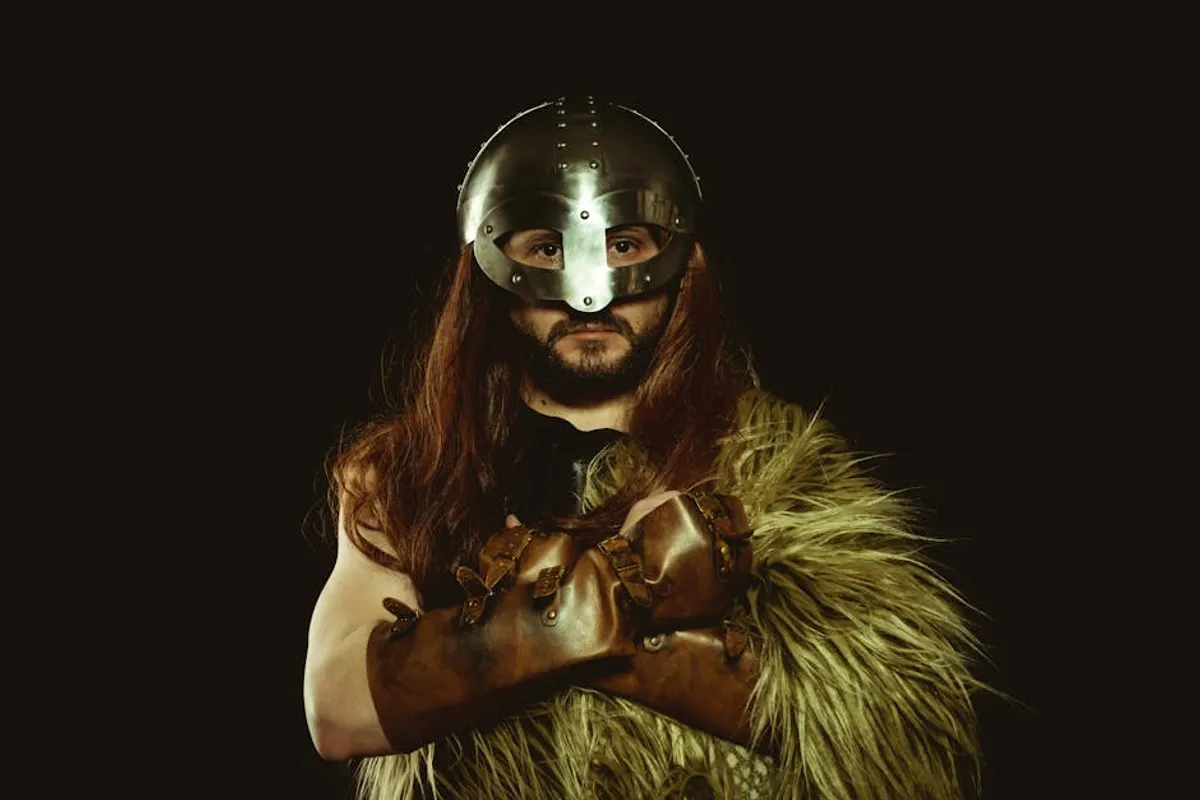
Norse mythology presents a complex tapestry of gods, giants, and mythical creatures. For those beginning to explore this rich tradition, understanding the roles, attributes, and narratives surrounding figures like Frigg, Freyja, and others is essential for grasping the full scope of the Norse worldview and its cultural impact. These female deities are not merely secondary figures; they embody crucial aspects of life, death, fertility, war, and wisdom, often holding significant power and influence within the cosmos.
Understanding the Divine Feminine in Norse Mythology
The Norse pantheon is primarily divided into two main tribes: the Æsir and the Vanir. While the Æsir are often associated with war and governance, the Vanir are more closely tied to fertility, wisdom, and prophecy. Goddesses are found within both groups, sometimes crossing between them due to alliances or marriages. Their stories are preserved primarily through the Poetic Edda and the Prose Edda, compiled in Iceland centuries after the Viking Age, offering insights into their diverse functions and characteristics. Understanding the Æsir and Vanir within the Norse pantheon's broader religious context can illuminate their roles and relationships.
The Æsir Goddesses: Queens, Seers, and Guardians
Within Asgard, the realm of the Æsir, several goddesses hold prominent positions, often directly influencing the fate of gods and mortals alike.
- Frigg: As the wife of Odin, the Allfather, Frigg is the foremost goddess of the Æsir. She is associated with marriage, motherhood, domesticity, and foresight. Frigg possesses knowledge of all fates, though she rarely intervenes or reveals what she knows. Her hall in Asgard is Fensalir, and she is often depicted with a distaff, symbolizing her role in spinning the threads of destiny. She is also known for her profound grief over the death of her son, Baldr.
- Sif: The golden-haired wife of Thor, Sif is primarily known for her beautiful, long golden hair, which was famously cut off by Loki and later replaced by a magical golden wig forged by dwarves. She is often associated with the harvest and the fertility of the earth, her hair symbolizing fields of ripe grain.
- Iðunn: The keeper of the golden apples that grant eternal youth to the gods, Iðunn is crucial for maintaining the Æsir's vitality. Her abduction by the giant Þjazi, orchestrated by Loki, led to the gods' rapid aging, highlighting her irreplaceable role in the pantheon.
- Hel: While a daughter of Loki and often depicted as a fearsome figure, Hel rules over the eponymous realm of the dead, Helheim. Her domain is for those who die of sickness or old age, not in battle. She is described as having half her face beautiful and the other half decaying, embodying the duality of life and death.
The Vanir Goddesses: Fertility, Magic, and War
The Vanir goddesses bring different energies to the Norse cosmos, often embodying aspects of nature, desire, and powerful magic.
- Freyja: Perhaps the most multifaceted of all Norse goddesses, Freyja is a prominent Vanir deity. She is associated with love, beauty, fertility, war, gold, and the practice of seiðr (a form of Norse magic and prophecy). She rides in a chariot pulled by two cats, possesses a cloak of falcon feathers, and wears the precious necklace Brísingamen. Half of those slain in battle go to her hall, Fólkvangr, while the other half go to Odin's Valhalla, underscoring her martial aspect. Her brother is Freyr, and her father is Njörðr.
- Skaði: A jötunn (giantess) who became a goddess through marriage to Njörðr, Skaði is a fierce figure associated with winter, mountains, hunting, and skiing. She embodies the wild, untamed aspects of nature and is often depicted with a bow and arrows, representing her prowess as a huntress. Her story highlights the often-strained relationships between gods and giants.
Pro Tip: When researching Norse goddesses, prioritize primary sources like the Poetic Edda and Prose Edda. Modern interpretations or fictional works, while engaging, often diverge from the original mythological narratives. Cross-referencing academic translations and scholarly commentaries can provide a more accurate understanding of their historical and cultural context.
The Enduring Significance of Norse Goddesses
The goddesses of Norse mythology are not static figures; their narratives reflect complex societal values, fears, and aspirations. They embody powerful archetypes that resonate across cultures and time. From Frigg's domestic authority and prophetic wisdom to Freyja's fierce independence and command over magic and war, these figures illustrate a breadth of female power and influence within the mythological framework. Their stories offer insights into ancient Norse beliefs about destiny, the afterlife, fertility, and the balance between order and chaos.
Cultural Impact: The tales of these goddesses have influenced literature, art, and popular culture for centuries. They represent enduring themes of love, loss, courage, and the cyclical nature of existence. Understanding their individual stories and interconnected roles provides a richer appreciation for the depth and intricacy of Norse cosmology.
Navigating Further Study
For those looking to deepen their understanding of Norse goddesses, consider exploring reputable translations of the Eddas. Academic works on Norse mythology and religion can provide critical context and analysis, distinguishing between historical evidence and later interpretations. Focus on authors and scholars recognized in the field of Old Norse studies to ensure accuracy and depth in your learning journey.
Frequently Asked Questions About Norse Goddesses
What is the difference between Æsir and Vanir goddesses?
The Æsir are generally associated with war and order, residing in Asgard, while the Vanir are linked to fertility, magic, and prosperity. Goddesses like Frigg are Æsir, while Freyja is Vanir, though there was an ancient war between the two tribes that eventually led to their peaceful integration.
Are there other Norse goddesses beyond the most well-known ones?
Yes, the Eddas mention several other goddesses, often with more limited roles or fewer surviving myths. Examples include Eir (goddess of healing), Sjöfn (goddess of love), and Gerðr (a jötunn who marries Freyr). Their roles are often specific and sometimes less detailed than those of Frigg or Freyja.
How were Norse goddesses worshipped or honored in ancient times?
Evidence for direct worship of goddesses, particularly outside of specific cults or local traditions, is less extensive than for some male gods. However, archaeological finds, place names, and sagas suggest veneration of fertility goddesses like Freyja was significant, often tied to agricultural cycles and domestic well-being. Rituals likely varied by region and specific deity.
Do Norse goddesses have counterparts in other mythologies?
While direct one-to-one counterparts are rare due to unique cultural contexts, thematic similarities exist. For example, Freyja shares aspects with figures like Venus (Roman) or Aphrodite (Greek) in her association with love and beauty, and with goddesses like Ishtar (Mesopotamian) in her warrior aspects. Frigg's role as a queen and mother figure has parallels with Hera (Greek) or Juno (Roman).
Leave a note in the margin
Thoughtful disagreement welcomed. Promotional links quietly removed. First-time notes are read before they appear.