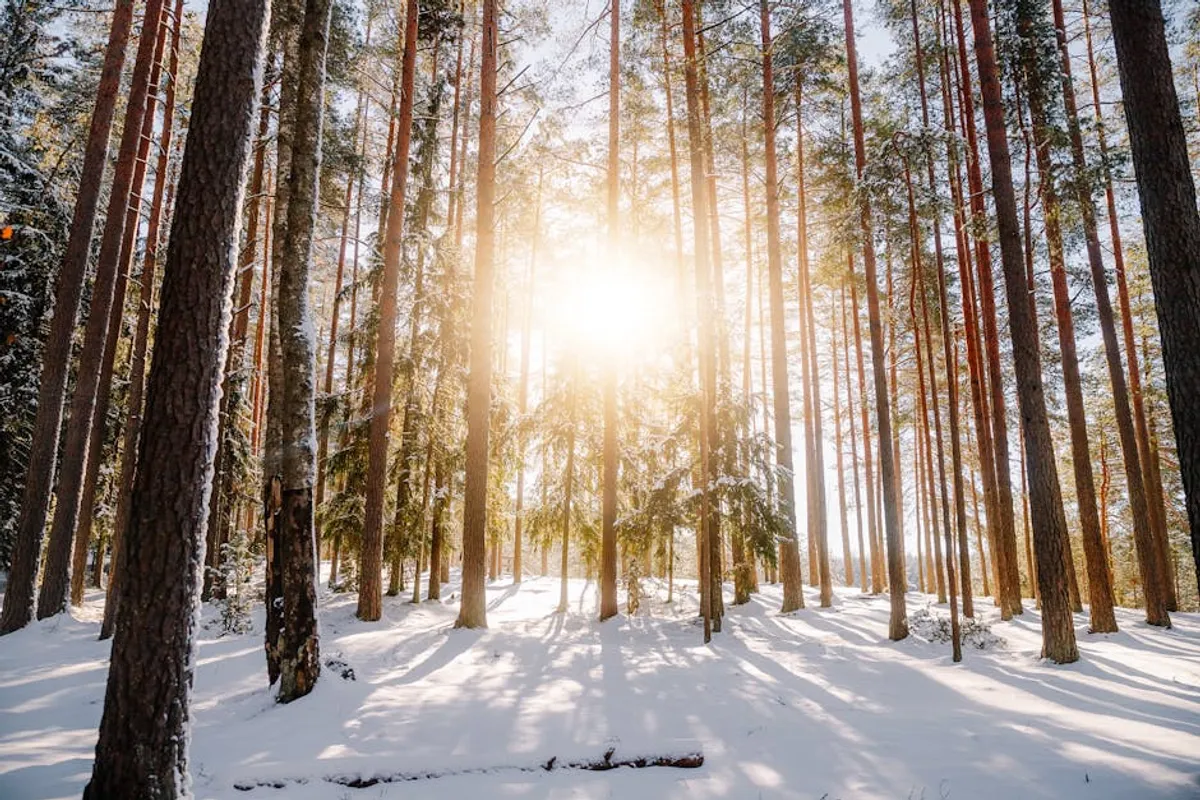
The Winter Solstice marks the longest night of the year, a pivotal moment for reflection, release, and setting intentions for the returning light. For those new to ritual practice, approaching this ancient observance can seem daunting. This guide outlines accessible, impactful ideas for beginners, focusing on personal meaning and practical execution rather than elaborate preparations. The goal is to provide a framework for engaging with the solstice energy, fostering a sense of connection and purpose without requiring specialized knowledge or equipment.
Understanding Solstice Rituals
Rituals, in this context, are intentional actions or sequences of actions designed to mark a transition, honor an event, or cultivate a specific state of mind. For the Winter Solstice, the core themes revolve around darkness, introspection, the promise of rebirth, and gratitude for the light that will return. A beginner's approach emphasizes simplicity, personal resonance, and the power of focused attention over strict adherence to tradition.
Key elements for beginners:
- Intention: Clearly define what you wish to achieve or acknowledge. This could be releasing old patterns, inviting new beginnings, or simply pausing for gratitude.
- Symbolism: Incorporate elements that visually or sensually represent your intention. Candles for light, evergreen branches for endurance, or a journal for reflection are common examples.
- Presence: Engage fully in the moment. Minimize distractions and allow yourself to experience the ritual without judgment or expectation.
Simple Indoor Solstice Practices
Many impactful rituals can be performed within your home, offering comfort and privacy during the long night. These ideas focus on creating a personal sanctuary and engaging in quiet contemplation.
Candle Lighting and Meditation
This fundamental practice symbolizes the return of light amid darkness. Select a candle that resonates with you—white for purity, green for growth, or gold for prosperity. Find a quiet space where you won't be disturbed.
Process:
- Dim the lights in your chosen room.
- Light your candle, focusing on the flame as a representation of inner light and the sun's eventual return.
- Spend 5-15 minutes in silent meditation, gazing softly at the flame. Reflect on what you wish to release from the past year and what new intentions you wish to cultivate for the coming cycle.
- Thank the flame for its light and extinguish it safely when ready.
Creating a Solstice Altar
An altar serves as a focal point for your intentions and a visual reminder of the solstice themes. It doesn't need to be elaborate; a small tabletop or shelf works well.
Elements to consider:
- Nature items: Pinecones, evergreen sprigs (pine, spruce, cedar), holly, ivy, dried berries. These represent endurance and life during winter.
- Light sources: Candles (white, gold, silver), small fairy lights.
- Personal items: A significant stone, a piece of jewelry, a written intention on paper.
- Imagery: Pictures of the sun, winter landscapes, or symbols of rebirth.
Arrange these items thoughtfully, allowing each placement to connect to your intention for the solstice.
Journaling for Release and Intention
The solstice is an opportune time for introspection. Dedicate time to write, using prompts to guide your reflections.
Prompts:
- "What am I ready to release from the past year that no longer serves me?"
- "What lessons have I learned in the darkness?"
- "What seeds of intention do I wish to plant for the coming light?"
- "What does 'renewal' mean to me in this moment?"
Consider burning the pages of what you wish to release (safely, in a fireproof dish) as a symbolic act of letting go.
Pro Tip: Authenticity trumps extravagance. A simple, heartfelt ritual performed with genuine intention holds more power than an elaborate one done out of obligation. Focus on what feels meaningful and accessible to you, not on replicating images from social media or complex traditions.
Outdoor Solstice Observances
If weather permits, connecting with nature directly can amplify the solstice experience. Dress warmly and ensure safety for any outdoor activities.
Nature Walk and Observation
Take a quiet walk in a natural setting—a park, a forest, or even your backyard. Pay close attention to the subtle signs of winter's endurance and the promise of spring.
Focus points:
- Observe the bare branches, noting their intricate patterns against the sky.
- Feel the cold air, appreciating the season's unique qualities.
- Listen for the sounds of winter—wind, distant birds, the crunch of frost underfoot.
- Find a sturdy evergreen tree and offer a silent blessing or a small, biodegradable offering (like birdseed) in gratitude for its resilience.
Welcoming the Dawn
For those willing to brave the early morning chill, witnessing the solstice sunrise can be a profound experience. Find an east-facing spot with an unobstructed view.
Process:
- Arrive before dawn, wrapped warmly.
- Stand or sit quietly, observing the darkness.
- As the sun begins to rise, acknowledge the return of light and its significance.
- Take a moment to set your intentions for the new cycle, visualizing them being illuminated by the rising sun.
Integrating Solstice Energy
The Winter Solstice provides a powerful anchor for reflection and forward momentum. These ritual ideas are starting points, not rigid prescriptions. Adapt them to fit your personal beliefs, available time, and resources. The most effective rituals are those that resonate deeply and are performed with genuine presence.
Consider making a small, symbolic gesture each day for the week leading up to or following the solstice, such as lighting a candle at dusk or spending a few minutes in silent reflection. This consistent engagement can help integrate the solstice energy into your daily life, fostering a sustained sense of purpose and renewal as the days gradually lengthen.
Frequently Asked Questions
Do I need special equipment for a Winter Solstice ritual?
No. Most effective rituals rely on intention and readily available items like candles, natural elements, or a journal. Expensive or specialized equipment is not necessary for a meaningful experience.
How long should a beginner's ritual last?
A ritual can be as short as five minutes or as long as an hour, depending on your availability and comfort. The duration is less important than the focus and presence you bring to the practice.
Can I perform a Winter Solstice ritual alone?
Absolutely. Many solstice rituals are deeply personal and are often performed in solitude. This allows for uninterrupted introspection and a stronger connection to your own intentions.
Is there a "right" way to do a Winter Solstice ritual?
There is no single "right" way. The best ritual is one that feels authentic and meaningful to you. Experiment with different ideas, adapt them, and trust your intuition to guide your practice.
Leave a note in the margin
Thoughtful disagreement welcomed. Promotional links quietly removed. First-time notes are read before they appear.