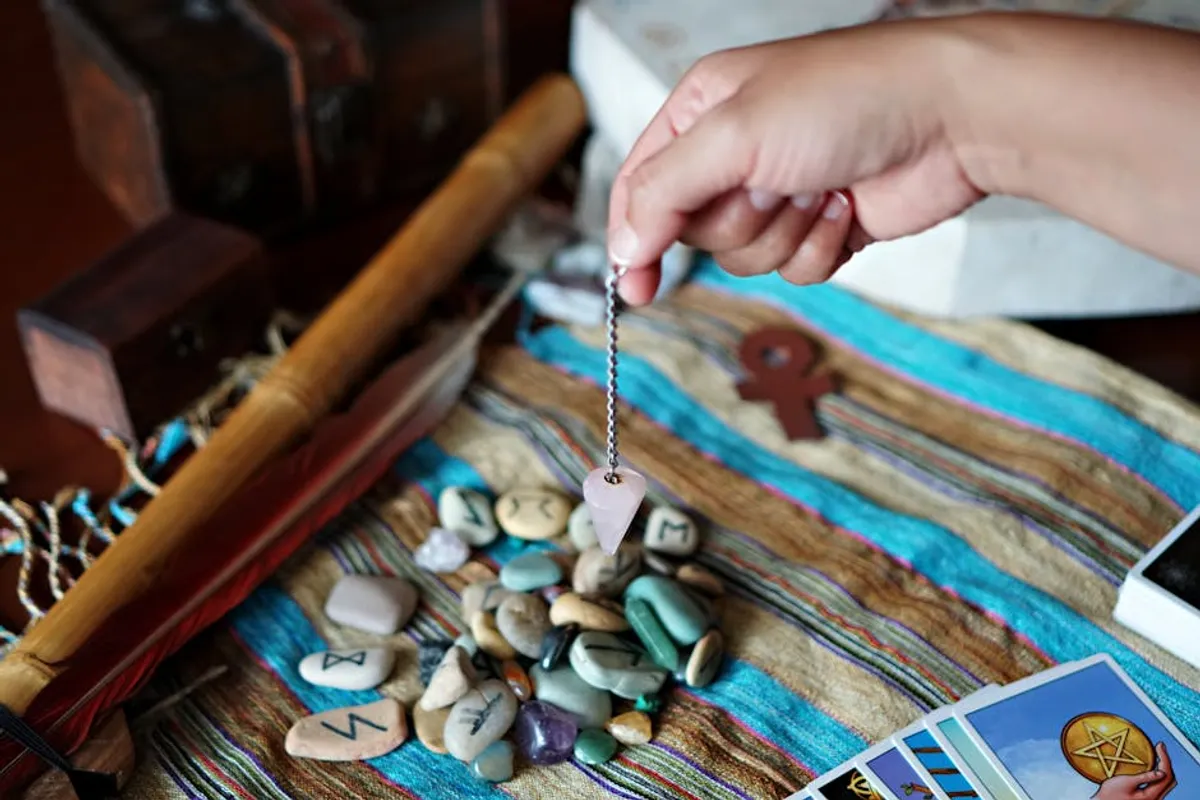
In a world saturated with data and constant demands, the pursuit of clarity and effective decision-making has become paramount. Many seek structured methods for introspection and problem-solving, moving beyond traditional self-help into practices that offer a deeper symbolic framework. Runes, an ancient Germanic alphabet, provide such a framework. Far from being mere fortune-telling devices, runes function as a system of symbols, each representing a concept, force, or principle. Integrating runes into modern life shifts their purpose from prophecy to a tool for focused reflection, intention setting, and navigating complex choices.
Understanding Runes as a Reflective System
The primary misconception surrounding runes is their role solely as a divinatory tool. While they can be used for insight into future possibilities, their enduring value lies in their capacity to articulate current circumstances, illuminate hidden influences, and prompt self-inquiry. Each of the 24 Elder Futhark runes, for instance, embodies a specific meaning, from 'Fehu' (wealth, cattle, new beginnings) to 'Othala' (inheritance, ancestral land, belonging). When approached as a symbolic language, runes offer a non-linear way to process information and gain perspective.
The act of casting or drawing runes encourages a pause, forcing a practitioner to consider a problem or question through the lens of a specific symbol's meaning. This process bypasses purely logical or emotional responses, introducing an archetypal dimension to analysis. For individuals seeking structured methods for personal development or strategic thinking, this symbolic engagement offers a distinct advantage over purely rational approaches, which can sometimes overlook subconscious factors or broader contextual influences.
Integrating Runic Practice into Daily Routines
Modern rune practice does not require elaborate rituals or specific beliefs; rather, it emphasizes consistent, mindful interaction. The goal is to cultivate a habit of reflective engagement that supports daily decision-making and personal growth. This integration can take several practical forms:
- Single Rune Pull for Daily Focus: Each morning, draw one rune and meditate on its meaning throughout the day. Consider how its concept applies to upcoming tasks, interactions, or challenges. This establishes a thematic lens for the day.
- Rune Journaling: After a significant event or before making a decision, draw a rune and journal about its relevance. Explore how the rune's meaning reflects the situation, potential outcomes, or internal states. This deepens self-awareness and clarifies motivations.
- Problem-Solving Spreads: For specific dilemmas, use a simple three-rune spread (e.g., Situation, Challenge, Resolution; or Past, Present, Future). The runes provide symbolic prompts for analysis, rather than definitive answers.
- Intention Setting: Select a rune that embodies a quality or goal you wish to cultivate (e.g., 'Sowilo' for success, 'Algiz' for protection, 'Gebo' for partnership). Keep this rune visible or carry it as a reminder of your intention.
Pro Tip: Approach runes as a sophisticated reflective system, not a magical oracle. Their power lies in prompting introspection and offering new perspectives, not in dictating outcomes. Consistent, thoughtful engagement yields the most practical benefits.
Runes for Strategic Decision-Making
In business contexts or personal planning, objective analysis is crucial, but often limited by known variables. Runes can introduce an element of intuitive insight, helping to uncover blind spots or reframe problems. For example, when faced with a complex strategic choice, a structured rune spread can be employed not to predict success, but to illuminate different facets of the situation:
A common three-rune spread for decision-making might involve:
- The Current State: A rune representing the existing situation or the core of the problem.
- The Obstacle/Opportunity: A rune highlighting the primary challenge or an unforeseen advantage.
- The Action/Outcome Tendency: A rune suggesting the most effective course of action or the likely trajectory if current patterns continue.
The interpretation isn't literal; instead, it's about connecting the symbolic meaning of each rune to the specific details of the decision. If 'Nauthiz' (need, constraint) appears as the obstacle, it prompts consideration of resource limitations or unavoidable necessities. If 'Laguz' (flow, intuition) appears as the action, it suggests trusting one's instincts or adapting to changing circumstances rather than forcing a rigid plan.
Cultivating Personal Growth and Resilience
Beyond immediate problem-solving, runes offer a continuous path for personal development. By regularly engaging with their meanings, individuals can build a richer internal vocabulary for understanding their experiences. For instance, the rune 'Perthro' (mystery, fate, rebirth) can be a powerful symbol for embracing change or navigating periods of uncertainty, encouraging a mindset of openness rather than resistance.
Regular rune practice fosters a deeper connection to one's inner landscape, promoting self-awareness and emotional intelligence. It provides a framework for acknowledging and integrating different aspects of the self, including those that might otherwise be overlooked in the rush of daily life. This sustained engagement with symbolic language can enhance resilience, providing a stable internal reference point amidst external fluctuations.
Establishing a Meaningful Practice
To integrate runes effectively, start with a simple, high-quality rune set. While traditional materials like wood or stone are common, the material is less important than the intention and focus brought to the practice. Dedicate a specific time, even if brief, each day or week for engagement. This consistency builds familiarity and allows the symbolic language to become a more natural part of your reflective process. Remember that the value of runes in modern life stems from their ability to serve as prompts for deeper thought, not as deterministic answers.
Frequently Asked Questions
Are runes a form of magic or religion?
Runes are a symbolic system rooted in ancient Germanic cultures. While they can be used in spiritual or magical contexts, their modern application often focuses on personal development, introspection, and decision-making, independent of religious belief.
How do I learn rune meanings?
Begin by studying the Elder Futhark, the most common runic alphabet. There are numerous reputable books and online resources that detail each rune's traditional and contemporary interpretations. Focus on understanding the core concept behind each symbol.
Can I make my own rune set?
Yes, many practitioners carve or paint their own runes from wood, stone, or clay. This process can deepen your connection to the symbols and personalize your practice. Ensure each symbol is clearly and accurately depicted.
Do I need to be psychic to use runes?
No. Using runes is primarily about developing intuition, reflective skills, and symbolic interpretation, not psychic ability. Anyone can learn to use runes as a tool for self-understanding and practical guidance.
Leave a note in the margin
Thoughtful disagreement welcomed. Promotional links quietly removed. First-time notes are read before they appear.