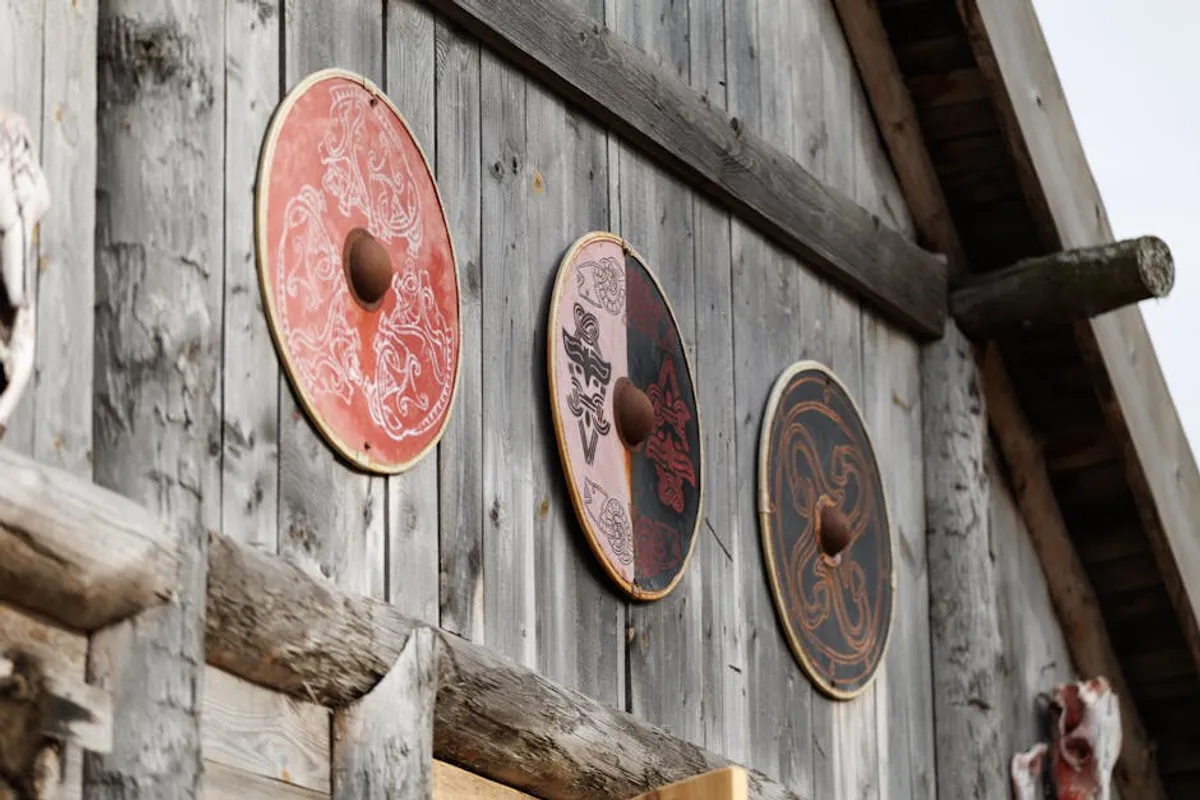
Norse Paganism, often perceived as an ancient or esoteric belief system, offers a framework of practices and virtues directly applicable to contemporary life. Far from being confined to historical reenactment, its core tenets provide practical guidance for personal development, community engagement, and navigating modern challenges. This exploration focuses on integrating these principles, moving beyond mere historical interest to actionable applications that can enrich daily existence, foster resilience, and build stronger personal and professional foundations.
Core Principles of Norse Paganism for Contemporary Living
At the heart of Norse Paganism lie several fundamental concepts that shape its worldview and inform its practices. Understanding these principles provides a basis for their modern application, moving beyond superficial interpretations to grasp their deep-seated relevance. Key among these are wyrd, örlög, hamingja, and the paramount importance of community, often encapsulated in the concept of frith.
Embracing Personal Agency and Destiny (Wyrd and Örlög)
The concepts of wyrd and örlög are often misunderstood as fatalism, but they actually emphasize personal responsibility and the interconnectedness of actions. Wyrd refers to the intricate web of past actions, choices, and their consequences, both individual and collective, that shape the present and influence the future. It is not an unchangeable destiny but rather the accumulated momentum of existence. Örlög, in contrast, represents the unalterable aspects of one's fate, such as birth circumstances or inherent talents, which serve as foundational elements within the broader weave of wyrd.
For modern life, this understanding translates into a powerful call for conscious decision-making and accountability. Recognizing that current circumstances are largely a result of past actions encourages a proactive approach to problem-solving and goal setting. It means accepting what cannot be changed (örlög) while diligently working within the parameters of what can be influenced (wyrd). This framework fosters a mindset of personal agency, where individuals are empowered to shape their future through consistent effort and ethical choices, understanding that every action contributes to their evolving narrative.
Cultivating Inner Strength and Luck (Hamingja)
Hamingja is a concept often translated as luck, fortune, or even a spiritual power that can be inherited or cultivated. It is not random chance but rather an intrinsic quality or aura that brings success and favor. A person with strong hamingja is seen as naturally capable, fortunate, and influential. This power is not static; it can be strengthened through virtuous actions, courage, and a strong character, and conversely, it can diminish through dishonorable conduct or weakness.
In a modern context, cultivating hamingja means actively building resilience, fostering a positive and proactive mindset, and developing practical skills. It encourages individuals to identify their strengths, hone their abilities, and approach challenges with confidence. Recognizing opportunities and acting decisively upon them can be seen as an expression of strong hamingja. This concept offers a framework for personal growth, emphasizing that consistent self-improvement and ethical behavior contribute to one's overall effectiveness and perceived "luck" in professional and personal endeavors. It shifts the focus from passive hope to active cultivation of personal power and favorable outcomes.
Practical Rituals and Observances
While ancient Norse rituals might seem distant from contemporary routines, their underlying purposes—community building, gratitude, and intentionality—remain highly relevant. Modern adaptation involves translating these core intentions into accessible practices that resonate with individual beliefs and circumstances.
Blóts and Sumbels: Communal and Personal Offerings
Historically, blóts were sacrificial feasts offered to gods and ancestors, while sumbels were ritualized toasting ceremonies involving shared drink and boasts. Both served to strengthen bonds within the community, honor deities, and express gratitude.
In modern practice, these can be adapted without literal sacrifice. A contemporary blót might involve a shared meal with friends or family, where participants consciously set intentions for a project, express gratitude for recent successes, or dedicate a portion of the meal to a specific goal or a revered ancestor. The act of cooking and sharing becomes a mindful offering. A modern sumbel can be a gathering where individuals take turns offering toasts, sharing personal achievements, or making vows of future action. This fosters a sense of mutual support and accountability.
Pro Tip: When adapting ancient rituals, focus on the underlying intention rather than literal historical replication. For blóts and sumbels, the core is communal bonding, gratitude, and intentional declaration. A simple, shared meal with dedicated toasts and expressions of appreciation can fulfill this purpose effectively, fostering stronger relationships and a sense of collective purpose.
Honoring Ancestors and Land Spirits
Veneration of ancestors and respect for land spirits (landvættir) were central to Norse belief, acknowledging the continuity of lineage and the sacredness of the natural world. This practice emphasized connection to heritage and environmental stewardship.
Modern applications involve tangible actions that connect individuals to their past and their immediate environment. This can include researching family history, maintaining family traditions, or creating a small personal altar with photos or mementos of deceased relatives. For honoring land spirits, practices can include:
- Regularly cleaning a local park or natural area.
- Planting native flora in one's garden or community.
- Mindfully spending time in nature, acknowledging its intrinsic value.
- Supporting local environmental conservation efforts.
- Learning about the indigenous history and ecology of one's region.
These actions reinforce a sense of belonging, responsibility, and continuity, connecting individuals to both their human and natural heritage.
Integrating Norse Virtues into Daily Conduct
The ethical framework of Norse Paganism, often summarized in virtues like the Nine Noble Virtues (NNV), provides a robust guide for personal integrity and social interaction. These virtues are not abstract ideals but actionable principles for living a life of purpose and honor.
Courage, Honor, and Truth
Courage (Modr) is not merely physical bravery but the resolve to act rightly, even in the face of fear or adversity. In modern life, this translates to speaking truth to power, standing up for one's values, and pursuing difficult but necessary goals. Honor (Heiðr) involves maintaining one's reputation through ethical conduct, fulfilling commitments, and acting with integrity. This is crucial in professional settings, where trust and reliability are paramount. Truth (Sannr) emphasizes honesty in communication and action, avoiding deceit and living authentically. These virtues collectively build a strong personal character and foster trust in relationships, both personal and professional.
Discipline, Hospitality, and Self-Reliance
Discipline (Dugr) refers to the commitment to self-improvement and mastery, whether in a craft, a skill, or personal habits. It drives consistent effort and perseverance, essential for achieving long-term objectives. Hospitality (Gestrisni) extends beyond simply welcoming guests; it embodies generosity, mutual support, and fostering community bonds. In a modern context, this can mean actively participating in community initiatives, offering help to colleagues, or extending genuine kindness to strangers. Self-Reliance (Sjálfsbjörg) emphasizes personal responsibility and the ability to provide for oneself and one's dependents. It encourages skill development, resourcefulness, and a proactive approach to challenges, rather than passive dependence.
Actionable Integration for Modern Practitioners
Integrating Norse Paganism into modern life is an ongoing process of conscious choice and consistent practice. It is about adopting a worldview that values personal agency, ethical conduct, and community connection. Begin by identifying one or two virtues or principles that resonate most strongly and actively seek opportunities to apply them daily. This could involve making a conscious effort to be more truthful in all interactions, dedicating time each week to a skill that builds self-reliance, or organizing a regular communal meal to foster hospitality and gratitude. The goal is not to mimic ancient lifestyles but to distill the enduring wisdom of these practices into a meaningful framework for contemporary living.
Frequently Asked Questions
Is Norse Paganism a religion, a philosophy, or a cultural practice?
Norse Paganism functions as all three for different individuals. It encompasses a religious framework with deities and rituals, a philosophical outlook on life and destiny, and a cultural appreciation for historical traditions and virtues. Its interpretation and practice vary widely among adherents.
Do I need to believe in the Norse gods to practice Norse Paganism?
While many practitioners are polytheistic and worship the Norse gods, some focus more on the philosophical and ethical aspects, viewing the myths as archetypal narratives rather than literal truths. The emphasis can be on ancestral veneration, the Nine Noble Virtues, or a connection to nature, without necessarily engaging in active deity worship.
How can I learn more about Norse Paganism without misinterpreting or appropriating it?
Start by reading academic and scholarly texts on Norse mythology, history, and archaeology, rather than relying solely on popular media. Seek out reputable community groups or online forums dedicated to Heathenry (modern Norse Paganism) that emphasize historical accuracy, ethical practice, and anti-racist principles. Engage with the material thoughtfully and respectfully.
Can Norse Paganism be combined with other spiritual beliefs or practices?
Some individuals integrate elements of Norse Paganism with other spiritual paths, creating a syncretic practice. This often depends on personal interpretation and the specific tenets of the other beliefs involved. The focus on personal agency within Norse Paganism allows for a degree of individual adaptation, provided core principles are respected.
Leave a note in the margin
Thoughtful disagreement welcomed. Promotional links quietly removed. First-time notes are read before they appear.