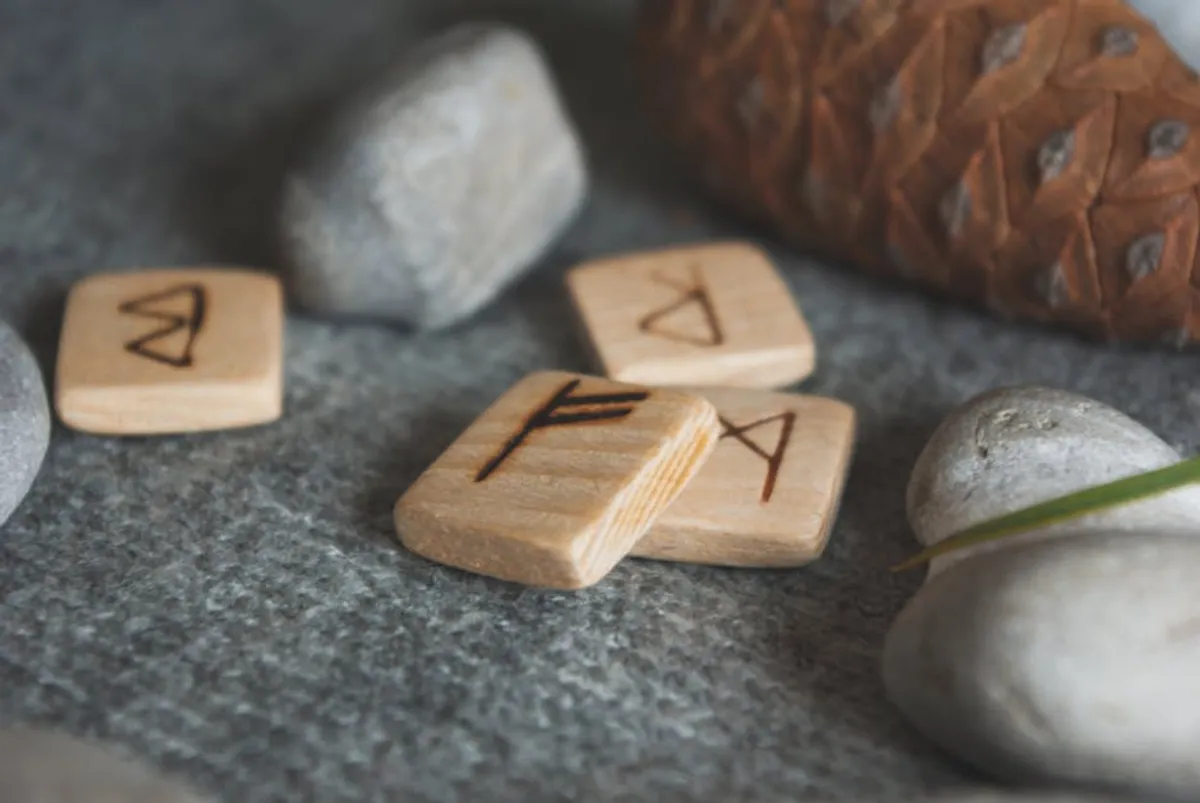
The resurgence of ancient spiritual practices has brought tools like runes back into contemporary focus. For those seeking a structured system for self-reflection, insight, and personal growth, understanding the meaning of runes in a modern spiritual context offers a distinct pathway. This practice moves beyond simple fortune-telling, providing a framework for interpreting current energies, exploring subconscious influences, and navigating life's challenges with greater clarity. Engaging with runes is a decision to connect with a historical tradition, adapted for contemporary psychological and spiritual inquiry, offering a tangible method for deepening self-awareness and intentional living.
Historical Roots and Modern Interpretation
Runes are an ancient Germanic alphabet, primarily used for writing, but also imbued with symbolic and divinatory significance. The most commonly recognized and utilized system in modern spiritual practice is the Elder Futhark, consisting of 24 symbols. Each rune represented a phonetic sound, but also carried a specific meaning tied to natural phenomena, human experiences, and cosmic forces.
Historically, runes were carved into wood, stone, bone, or metal for various purposes, including inscriptions, marking property, and protective charms. Their use in divination is less explicitly documented in ancient texts but is inferred from archaeological finds and later accounts. Modern spiritual practice largely draws on scholarly reconstructions and esoteric traditions that developed over centuries, interpreting these symbols as archetypal keys to understanding the self and the universe.
The transition from a purely linguistic tool to a divinatory one involves a shift in focus from literal meaning to symbolic resonance. Practitioners today engage with runes not as predictors of fixed futures, but as mirrors reflecting inner states and external dynamics. This interpretative approach allows for a dynamic interaction with the symbols, making them relevant to contemporary personal development and spiritual exploration.
Key Runic Archetypes and Their Resonance
Each of the 24 Elder Futhark runes carries a distinct energetic signature and set of associations. Understanding these archetypes is fundamental to their modern spiritual application. For example:
- Fehu (ᚠ): Represents wealth, prosperity, and new beginnings. In a reading, it often signifies material gain, but also the cultivation of personal resources and the start of a new venture. Its commercial relevance lies in understanding resource management and potential for growth.
- Uruz (ᚢ): Embodies primal strength, untamed energy, and raw potential. It can indicate a need to tap into inner reserves, a challenge that requires resilience, or a period of significant personal transformation. This rune speaks to foundational power and endurance.
- Thurisaz (ᚦ): Symbolizes a thorn, representing conflict, protection, or a sudden change. It can warn of potential obstacles or suggest the need for decisive action and defense. Its appearance often prompts a careful assessment of boundaries and confrontational energies.
- Ansuz (ᚨ): Linked to communication, divine inspiration, and ancestral wisdom. This rune often points to messages, learning, or the need to speak one's truth. It encourages listening to inner guidance and external counsel, fostering clarity in expression.
- Gebo (ᚷ): Represents gifts, partnership, and exchange. It signifies balance in relationships, generosity, and the reciprocal nature of giving and receiving. This rune highlights the importance of fair exchange and mutual benefit in all interactions.
These examples illustrate how runes provide a vocabulary for discussing complex human experiences and universal principles. Their meanings are not rigid but are interpreted within the context of the querent's question and surrounding runes in a spread.
Methods of Runic Engagement in Practice
Modern spiritual practitioners employ several methods to engage with runes, each designed to facilitate insight and personal connection. These practices are not prescriptive but offer structured ways to interact with the runic symbols.
Rune Casting and Drawing
The most common method involves casting or drawing runes. Practitioners typically use a set of runes (often carved or painted on small stones, wood, or ceramic pieces) and a cloth or designated space. A question or intention is held in mind, and runes are either drawn from a bag or cast onto the surface. The positions and proximity of the runes to each other are then interpreted.
Best for: Gaining immediate insight into specific questions, understanding current energies, or exploring potential outcomes of decisions. The act of drawing or casting introduces an element of synchronicity, allowing the subconscious to guide the selection.
Runic Meditation and Journaling
Beyond active divination, runes are used as focal points for meditation. A practitioner might select a single rune, contemplate its meaning, and meditate on its energetic qualities. This deep engagement fosters a personal relationship with the symbol and its associated archetypes, allowing for intuitive understanding to emerge.
Journaling alongside runic practice involves recording readings, personal interpretations, and reflections on how the runes resonate with daily experiences. This creates a cumulative record of insight and personal growth, tracking themes and patterns over time.
Best for: Deepening personal understanding of each rune, integrating runic wisdom into daily life, and fostering long-term spiritual development.
Pro Tip: When interpreting rune readings, avoid seeking definitive predictions. Instead, focus on the insights provided as guidance for self-reflection and informed decision-making. Runes illuminate paths and energies, not fixed futures. Their value lies in fostering awareness and empowering conscious choice, not in absolving personal responsibility.
Charm and Talisman Creation
Some practitioners create runic charms or talismans by inscribing specific runes onto objects with a particular intention. For example, inscribing Fehu on a coin for prosperity, or Algiz (Z) on a protective amulet. This practice draws on the historical use of runes for magical purposes, adapted for modern intentional work. The object then serves as a physical anchor for the desired energy or outcome.
Best for: Manifesting specific intentions, personal protection, or carrying a chosen energetic quality throughout the day. It requires a clear understanding of the rune's meaning and a focused intention.
Integrating Runic Wisdom for Personal Growth
Engaging with runes in modern spiritual practice is a continuous journey of learning and application. It involves developing an intuitive connection with the symbols, respecting their historical context, and adapting their wisdom to contemporary life. The goal is not merely to perform readings, but to integrate the insights gained into one's personal development, decision-making processes, and overall spiritual path.
Consistent practice, whether through daily draws, meditative contemplation, or journaling, deepens the practitioner's understanding. This ongoing engagement transforms runes from abstract symbols into practical tools for navigating personal challenges, celebrating successes, and fostering a more intentional and self-aware existence.
Frequently Asked Questions About Runes
Are runes a form of fortune-telling?
While runes can offer insights into future possibilities, they are primarily a tool for self-reflection, guidance, and understanding current energies. They do not predict a fixed future but help illuminate potential paths and consequences based on present circumstances and choices.
Do I need to be of a specific heritage or religion to use runes?
No, runes are accessible to anyone interested in their symbolism and spiritual application. While they originate from Germanic cultures, modern practice is inclusive and focuses on universal archetypes and personal growth, transcending specific religious or ethnic requirements.
Which set of runes is best for beginners?
The Elder Futhark is generally recommended for beginners due to its widespread availability, extensive interpretive resources, and comprehensive symbolic system. It provides a solid foundation for understanding runic principles before exploring other runic alphabets.
How should I start my runic practice?
Begin by acquiring a set of Elder Futhark runes and a reliable book on their meanings. Start with a simple daily draw, focusing on one rune and reflecting on how its meaning resonates with your day. Journaling your insights will help deepen your understanding over time.
Leave a note in the margin
Thoughtful disagreement welcomed. Promotional links quietly removed. First-time notes are read before they appear.