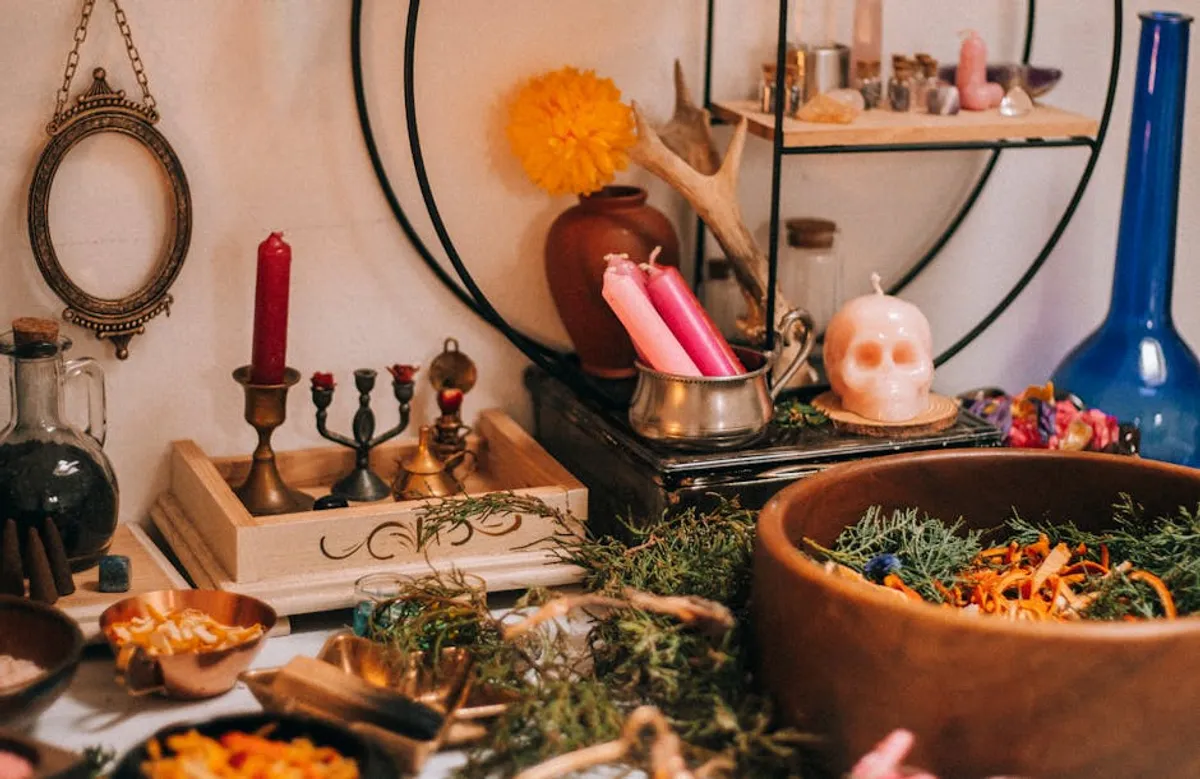
Establishing a ritual altar serves as a tangible anchor for personal intention, spiritual focus, and daily mindfulness. For beginners, the process can seem complex, but its core lies in creating a dedicated space that resonates with individual purpose. This guide outlines the practical considerations for setting up an effective altar, focusing on intentional selection of components and strategic placement to maximize its utility as a personal focal point. The objective is to demystify the process, providing actionable steps to build a functional and meaningful sacred space without unnecessary complexity.
Defining Your Altar's Purpose
Before selecting any items or a location, clarify the primary function of your altar. Its purpose dictates its composition and placement. An altar can serve multiple roles, but identifying a dominant intention streamlines the setup. For instance, an altar dedicated to creative inspiration will look different from one focused on daily gratitude or ancestral veneration. Consider these common functions:
- Meditation and Mindfulness: A space for quiet contemplation, often featuring calming elements like incense, candles, or smooth stones.
- Intention Setting: An area to manifest goals, where written intentions, symbolic objects, or representations of aspirations are placed.
- Gratitude and Abundance: Dedicated to acknowledging blessings, potentially including offerings of food, flowers, or representations of prosperity.
- Ancestral Connection: A space to honor lineage, typically featuring photos, heirlooms, or items representing ancestors.
- Seasonal or Cyclical Observation: An altar that shifts with the seasons, moon phases, or significant calendar events, incorporating natural elements relevant to the current cycle.
Understanding this foundational purpose ensures that every subsequent decision, from location to item selection, contributes to the altar's overall effectiveness and personal resonance.
Strategic Altar Placement Considerations
The physical location of your altar significantly impacts its accessibility and energetic presence. Optimal placement balances practicality with symbolic meaning. For beginners, prioritize a location that allows for consistent interaction without disruption. Evaluate these factors:
Visibility and Privacy:
- High-traffic areas: May offer constant visibility, reminding you of your intentions, but can lack privacy for deeper work. Consider a corner or a dedicated shelf in a living area if privacy isn't a primary concern.
- Private spaces: Bedrooms or dedicated home offices provide solitude, fostering a deeper, more personal connection without external distractions.
Directional Alignment:
Some traditions associate specific directions with certain energies or elements. While not mandatory for beginners, considering this can enhance the altar's symbolic power. For example, placing an altar facing East can symbolize new beginnings or enlightenment, aligning with sunrise. West might represent introspection or closure. Choose a direction that intuitively feels right for your defined purpose.
Pro Tip: Select a surface that is stable and can accommodate your chosen items without overcrowding. A small table, a sturdy bookshelf, or even a dedicated windowsill can serve as an effective altar base. Ensure it is not prone to accidental bumps or spills, which can disrupt your focus or damage items.
Essential Components for a Beginner's Altar
An effective altar does not require elaborate or expensive items. Focus on objects that hold personal meaning and directly relate to your altar's purpose. Start with a few key pieces and allow your altar to evolve over time.
Representing the Elements
Many traditions incorporate representations of the four classical elements (Earth, Air, Fire, Water) to create a balanced energetic space. These can be simple:
- Earth: A small bowl of salt, a crystal, a stone, a plant, or a sprig of dried herbs. This grounds the altar and symbolizes stability and growth.
- Air: Incense, a feather, a bell, or a small fan. Represents intellect, communication, and movement of thought.
- Fire: A candle (safely placed), a small red stone, or an image of a flame. Symbolizes transformation, passion, and illumination.
- Water: A small bowl of water, a seashell, or a blue stone. Represents emotions, intuition, and purification.
Personalized Items
These are the heart of your altar, making it uniquely yours:
- Photos: Of loved ones, ancestors, or inspiring figures.
- Found Objects: A smooth pebble from a meaningful trip, a leaf from a significant tree, or any item that evokes a specific memory or feeling.
- Symbolic Tools: A journal for intentions, a specific crystal for focus, or a small statue representing a deity or guiding principle.
- Offerings: Fresh flowers, fruit, a small glass of water, or a piece of art created by you. Offerings are typically temporary and should be replaced or respectfully disposed of as they decay.
Key consideration: Every item should have a reason for its presence. Avoid clutter; a few carefully chosen objects are more impactful than many random ones.
Constructing Your Altar: A Step-by-Step Approach
Once you have your purpose defined, a location selected, and a few meaningful items gathered, the physical setup can begin. Approach this as a deliberate act of creation, not just arranging objects.
- Cleanse the Space: Before placing anything, physically clean the altar surface. Then, energetically cleanse the area. This can be done by smudging with sage or palo santo, ringing a bell, or simply visualizing clear, positive energy filling the space. This step clears any residual energies.
- Lay a Foundation: Consider placing a cloth or mat on your altar surface. This can be a specific color or pattern that resonates with your intention, or simply a clean piece of fabric that designates the space as sacred.
- Place Core Items: Begin with the items that represent the central purpose of your altar. For a gratitude altar, this might be a gratitude journal or a bowl for offerings. For an ancestral altar, a central photo.
- Incorporate Elemental Representations: Arrange your chosen elemental items around the core, ensuring balance and safe placement (e.g., candles away from flammable materials).
- Add Personal Touches: Integrate any additional photos, found objects, or symbolic tools. Consider the visual balance and flow. Does it feel harmonious? Is it easy to interact with?
- Activate Your Altar: Once arranged, take a moment to stand before your altar. Light a candle, burn some incense, or simply spend a few minutes in quiet contemplation, affirming its purpose and your connection to it. This act imbues the space with your intention.
Sustaining Your Altar's Efficacy
An altar is not a static display; it is an active tool. Regular interaction and maintenance are crucial for its continued effectiveness.
Routine Care
- Physical Cleanliness: Dust and tidy the altar regularly. Remove withered flowers or stale offerings promptly. A clean altar reflects a clear intention.
- Energetic Refreshment: Periodically cleanse the space again, perhaps weekly or monthly, to clear stagnant energy. This can be as simple as opening a window or relighting a candle with renewed focus.
Consistent Engagement
The power of an altar grows with consistent interaction. This doesn't require lengthy rituals daily. Even a few minutes of focused attention can be beneficial:
- Light a candle and state an intention.
- Offer a moment of gratitude.
- Meditate or reflect in its presence.
- Place new items that align with evolving goals or insights.
This regular engagement reinforces your connection to the altar and its purpose, making it a more potent personal resource.
Practical Next Steps for Altar Practice
Begin by committing to a specific interaction schedule, whether daily, weekly, or monthly, that aligns with your life. Observe how your altar evolves with your practice; it is a living reflection of your inner work. Don't be afraid to rearrange, add, or remove items as your intentions shift or deepen. The most effective altar is one that remains dynamic and personally resonant, serving as a consistent touchstone for your spiritual or intentional journey.
Frequently Asked Questions
What is the primary purpose of a ritual altar?
A ritual altar primarily serves as a dedicated, physical space for focused intention, meditation, gratitude, or spiritual connection, acting as a tangible anchor for personal practice.
How do I choose the right location for my altar?
Select a stable, private, and accessible location that allows for consistent interaction without frequent disruption, such as a bedroom corner or a quiet shelf, considering both practicality and symbolic direction.
Can I use everyday objects on my altar?
Yes, everyday objects that hold personal meaning or symbolically represent your altar's purpose are highly effective. Focus on intentionality rather than perceived sacredness of the item itself.
How often should I interact with my altar?
Consistent interaction, even for a few minutes daily or weekly, is more beneficial than infrequent, lengthy sessions. The frequency should align with your personal practice and the altar's defined purpose.
Leave a note in the margin
Thoughtful disagreement welcomed. Promotional links quietly removed. First-time notes are read before they appear.