Understanding the historical and contemporary practices of Midsummer traditions within Norse Paganism offers specific insights for content strategists, cultural researchers, and anyone developing niche historical or mythological content. This exploration details the origins, core rituals, and symbolic underpinnings of these observances, providing a clear framework for appreciating their cultural significance and how they are interpreted today. For those targeting audiences interested in ancient cultures, folklore, or modern paganism, accurate contextualization of such traditions is essential for building authority and engagement.
Historical Roots of Norse Midsummer
Midsummer, known in Old Norse as Jólnir, or more commonly associated with the summer solstice, marked the longest day and shortest night of the year. While the name "Midsummer" might suggest a date in the middle of summer, its timing aligns with the astronomical solstice, signifying the peak of the sun's power before its gradual decline. In pre-Christian Norse societies, this period was not as extensively documented as Yule, but archaeological and folkloric evidence points to its recognition as a crucial turning point in the agricultural and natural year.
The primary focus was the celebration of light, fertility, and abundance. It was a time when the land was at its most productive, and the sun's life-giving energy was at its zenith. Scholars infer that rituals would have centered on ensuring continued prosperity for crops and livestock, and on warding off malevolent forces that were thought to be more active during the liminal periods of the year. The concept of the "sun wheel" turning was central, with the solstice marking the apex of its cycle.
Deities and Spiritual Connections
While specific Midsummer deities are not explicitly named in surviving Eddic or saga literature, the themes of fertility and light connect the observance to several prominent gods and goddesses:
- Freyr: As a Vanir god associated with peace, fertility, and bountiful harvests, Freyr's influence would have been paramount during a period celebrating agricultural abundance. Sacrifices and prayers for good yields would align with his domain.
- Sunna (Sól): The personification of the sun, Sunna, would naturally be honored during the longest day. Her journey across the sky and her vital role in sustaining life made her a silent, yet powerful, presence in solstice celebrations.
- Baldr: Often linked to light, beauty, and purity, Baldr's mythology, particularly his death and the subsequent dimming of the world, might be seen in contrast to the peak of summer light. Some modern interpretations connect Midsummer to a brief celebration of his light before the encroaching darkness.
The absence of detailed historical accounts means much of the specific deity veneration is reconstructed or inferred, especially in modern Heathenry.
Core Rituals and Practices
Historical accounts of Norse Midsummer are sparse, leading modern practitioners and scholars to draw from broader Germanic folklore, archaeological finds, and comparative mythology. The following practices are commonly associated with the period:
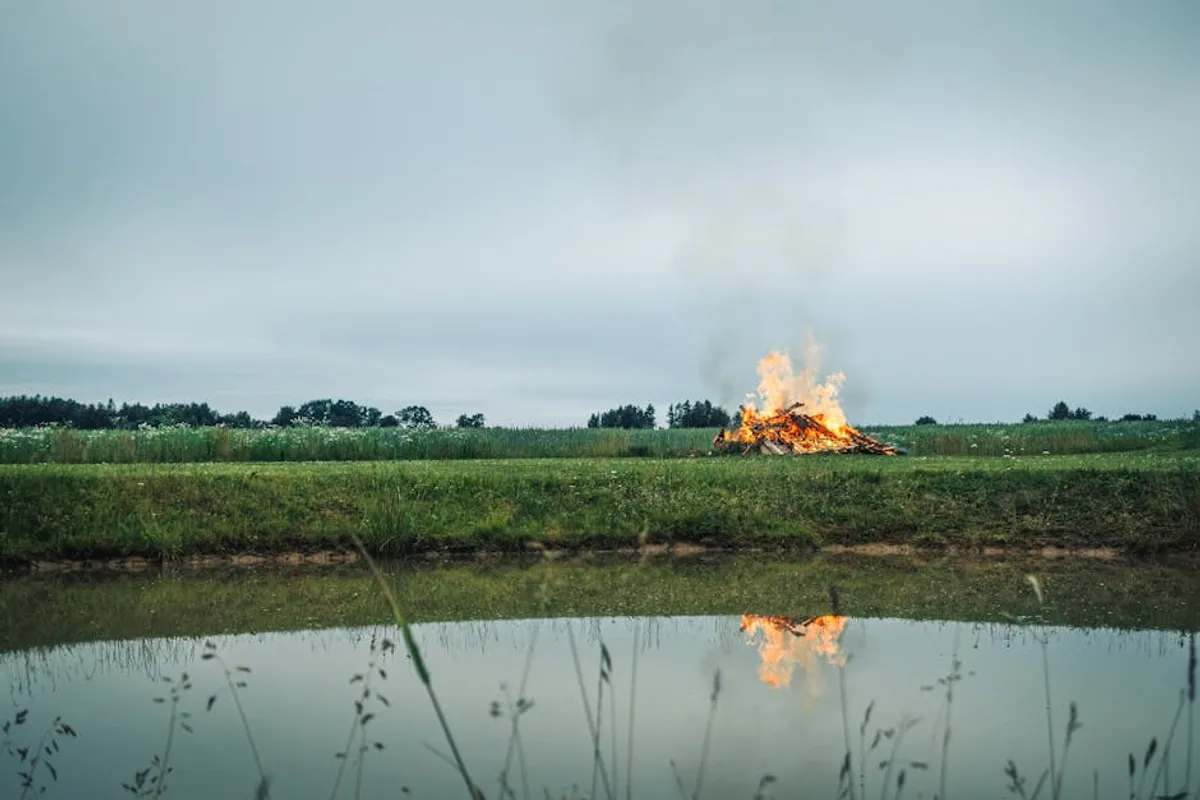
Bonfires: A central element across many European solstice celebrations, bonfires served multiple purposes. They symbolized the sun's power, purified the community, and were believed to ward off evil spirits and disease. Leaping over the dying embers was thought to bring good luck and fertility. The smoke was also believed to bless crops and livestock.
Feasting and Mead: Communal feasting was a hallmark of Norse celebrations. Midsummer meals would have incorporated seasonal produce, fresh meats, and, significantly, mead. The sharing of food and drink reinforced community bonds and offered thanks for the earth's bounty. Toasts to the gods and ancestors were likely integral.
Herbalism and Divination: The power of plants was considered strongest at Midsummer. Gathering specific herbs for medicinal purposes, protection, or divination was a common practice. For example, St. John's Wort (often blooming around the solstice) was believed to have potent protective qualities. Divinatory practices, such as dream interpretation after sleeping with specific flowers under a pillow, were also recorded in later folkloric traditions that likely have older roots.
Water Rituals: Bathing in natural springs or streams was sometimes associated with purification and healing during this time, drawing on the belief that water held special potency at the solstice.
Pro Tip: When developing content related to historical pagan traditions, prioritize primary source documentation and recognized archaeological findings. While comparative folklore can offer context, clearly distinguish between directly attested Norse practices and broader Germanic or pan-European traditions to maintain historical accuracy and avoid misrepresentation.
Modern Interpretations in Norse Paganism
Contemporary Norse Paganism, often referred to as Heathenry, involves a diverse range of practices, from reconstructionist approaches aiming for historical accuracy to more eclectic interpretations. Midsummer, while not as central as Yule for some, remains an important observance for many Heathens.
Reconstructionist Heathenry: Practitioners strive to recreate rituals based on available historical and archaeological evidence. For Midsummer, this often involves communal feasts, bonfires, and toasts (sumbel or blót) to gods like Freyr and Sunna, as well as to ancestors and land spirits (landvættir). The emphasis is on gratitude for the harvest and the sun's life-giving energy.
Eclectic and Syncretic Practices: Other Heathens may incorporate elements from broader European pagan traditions, such as maypole dancing (which is more strongly associated with Germanic and Celtic cultures than solely Norse), flower crowns, and specific folk magic practices. The focus remains on the themes of light, fertility, and community, adapted to modern contexts.
Community Focus: Regardless of specific ritual, modern Midsummer celebrations often emphasize community gathering, outdoor activities, and connecting with nature. It's a time for reflection on growth, abundance, and the cyclical nature of life, aligning with the broader ethos of many pagan traditions.
Key Aspects of Modern Observance:
- Blót and Sumbel: Formal offerings (blót) and ritual toasting (sumbel) are common, often honoring specific deities associated with fertility, prosperity, and the sun.
- Feasting: Shared meals featuring seasonal foods, often locally sourced, reinforce the theme of abundance and community.
- Bonfires: Still popular, bonfires provide a focal point for celebration, purification, and symbolic renewal.
- Nature Connection: Spending time outdoors, gathering herbs, and appreciating the natural world are integral to connecting with the spirit of Midsummer.
Strategic Content Development from Norse Traditions
For content creators, understanding Midsummer traditions in Norse Paganism offers several avenues. This knowledge can inform:
Niche Audience Engagement: Target audiences interested in historical accuracy, mythological studies, or modern pagan practices. Content can range from detailed historical explainers to discussions on modern interpretations.
Seasonal Content Planning: Develop timely content around the summer solstice, leveraging historical context to provide unique perspectives on themes like renewal, growth, and natural cycles. This can include articles, social media posts, or even product tie-ins for culturally sensitive brands.
Cultural Storytelling: Utilize the rich tapestry of Norse traditions to craft compelling narratives for historical fiction, game development, or educational resources. Accurate portrayal enhances credibility and resonates with informed audiences.
Keyword Research: Identify specific long-tail keywords related to "Norse Midsummer rituals," "Heathen solstice traditions," "Freyr offerings summer," or "historical pagan summer celebrations" to capture highly specific search intent.
Frequently Asked Questions About Norse Midsummer
What was the primary significance of Midsummer in ancient Norse culture?
The primary significance was the celebration of the sun's peak power, symbolizing fertility, abundance, and the height of the agricultural season. It was a time to ensure continued prosperity and ward off negative influences.
Are bonfires a historically accurate part of Norse Midsummer?
While direct textual evidence specifically for "Norse" bonfires at Midsummer is limited, bonfires were a widespread practice across many ancient European cultures during solstice celebrations, including Germanic peoples. Modern Heathens often incorporate them based on this broader cultural context and archaeological inference.
Which Norse gods are associated with Midsummer?
While not explicitly documented as primary Midsummer deities, gods associated with fertility, light, and abundance are often honored. These include Freyr (god of fertility and harvests), Sunna (the sun personified), and sometimes Baldr (god of light and purity).
How do modern Heathens celebrate Midsummer?
Modern Heathens celebrate through communal feasts, bonfires, ritual toasts (sumbel or blót) to gods and ancestors, and spending time in nature. Practices vary between reconstructionist approaches focusing on historical accuracy and more eclectic interpretations.
Leave a note in the margin
Thoughtful disagreement welcomed. Promotional links quietly removed. First-time notes are read before they appear.