Understanding the symbols and rituals associated with ancestor veneration is essential for anyone seeking to engage with diverse cultural narratives, develop culturally sensitive content, or simply gain a deeper appreciation for global heritage. This practice, prevalent across numerous societies and time periods, utilizes a rich tapestry of symbols to honor the deceased, maintain familial bonds, and connect past generations with the present. For content strategists, educators, or cultural commentators, a precise grasp of these elements moves beyond superficial observation, enabling the creation of authoritative and respectful material that resonates with specific audiences.
The Universal Practice of Ancestor Veneration
Ancestor veneration, at its core, is the belief that deceased family members retain a continued existence and can influence the lives of the living. This belief manifests through various practices designed to show respect, express gratitude, and seek guidance or protection from ancestors. The universality of this practice, from ancient Egypt and Imperial China to contemporary indigenous cultures and diasporic communities, underscores its fundamental role in human societies. The symbols employed in these practices are not merely decorative; they are functional conduits for communication, memory, and spiritual connection. Each symbol carries specific cultural weight, often rooted in historical narratives, religious doctrines, and communal values, dictating its proper use and interpretation.
Key Symbols and Their Cultural Significance
The symbols of ancestor veneration are diverse, reflecting the unique histories and spiritual frameworks of different cultures. However, common themes emerge, often revolving around sustenance, light, permanence, and representation.
Ritual Objects and Offerings
Many cultures use specific objects and offerings to honor ancestors, serving as tangible expressions of respect and provision. These items are often placed on altars or at gravesites, intended to nourish the ancestors in the afterlife or facilitate their presence.
- Food and Drink: Offerings of cooked meals, fresh fruit, rice, tea, or alcoholic beverages (e.g., baijiu in China, soju in Korea, rum in some Afro-Caribbean traditions) symbolize continued care and the provision of sustenance. The specific items often reflect favorite foods of the deceased or culturally significant staples.
- Incense: The burning of incense is a widespread practice, particularly in East Asian and Southeast Asian cultures. The rising smoke is believed to carry prayers and offerings to the ancestors, purifying the space and inviting their presence. Its fragrance often denotes reverence and spiritual cleansing.
- Candles and Lamps: Light sources, such as candles, oil lamps, or electric lights, symbolize guidance, enlightenment, and the enduring presence of the ancestors. They are often lit during rituals to illuminate the path for spirits or to signify the continuity of family lineage.
- Paper Offerings: In some East Asian traditions, "joss paper" or "spirit money" is burned. These paper representations of money, houses, cars, or luxury items are believed to transfer to the ancestors in the spirit world, ensuring their comfort and prosperity.
Natural Elements and Sacred Spaces
Natural elements and designated spaces often hold profound symbolic meaning in ancestor veneration, representing connection to the earth, the cycle of life, and the enduring spirit.
Trees: In many cultures, trees symbolize life, growth, and lineage. Planting a tree in memory of an ancestor connects their spirit to the earth and signifies the continuation of the family line. Certain trees, like the baobab in some African traditions or the banyan in parts of Asia, are considered sacred ancestral homes.
Water: Rivers, springs, and oceans are often considered sacred, representing purity, transition, and the flow of life. Libations (pouring out liquids as an offering) are common in many traditions, symbolizing a return to the source or a cleansing ritual.
Stones and Cairns: The placement of stones or the building of cairns (piles of stones) can symbolize permanence, memory, and the physical marker of an ancestral presence. This practice is found in various indigenous cultures, Celtic traditions, and ancient burial sites.
Iconography and Representations
Visual representations serve as focal points for veneration, making the abstract concept of ancestors tangible and accessible.
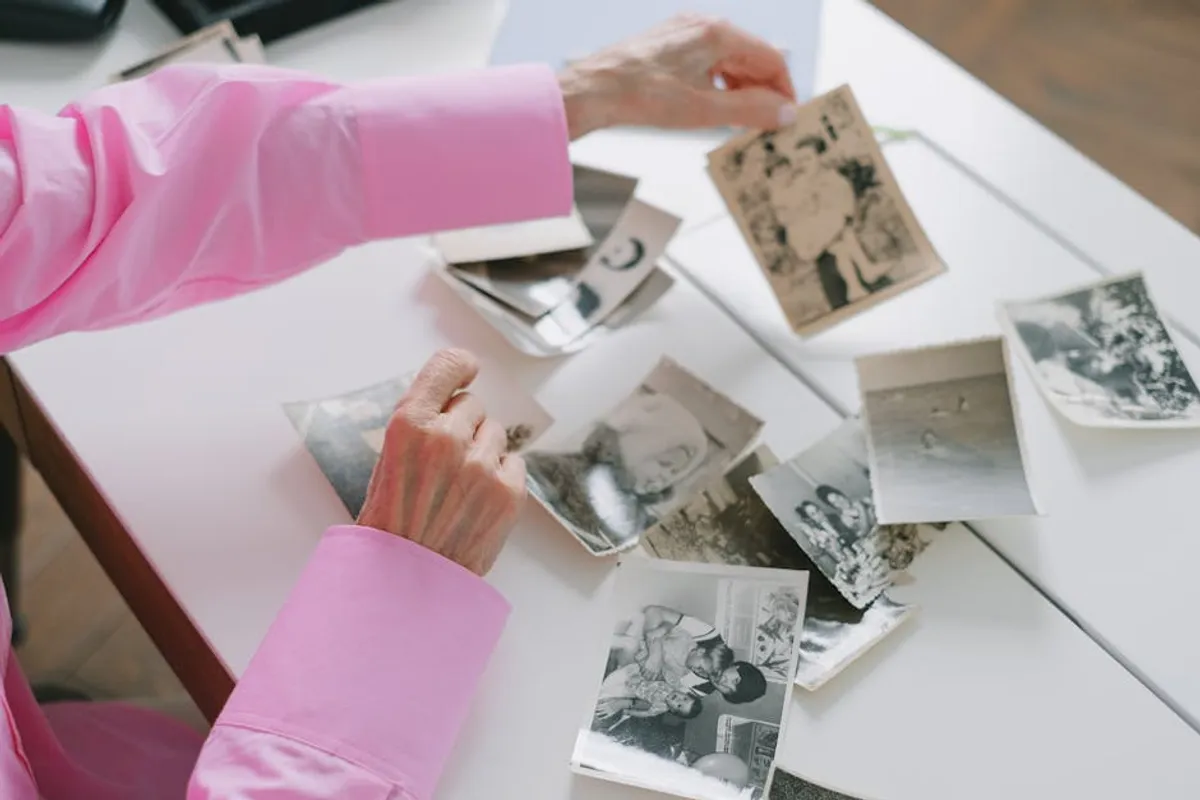
Ancestor Portraits: Paintings, photographs, or sculptures of ancestors provide a direct visual link, personalizing the act of remembrance and allowing descendants to connect with their forebears' likenesses.
Spirit Tablets: In East Asian cultures, particularly China, Korea, and Japan, ancestral tablets (also known as memorial tablets) are carved wooden or stone plaques inscribed with the names and dates of deceased family members. These tablets are believed to house the spirit of the ancestor and are central to family altars.
Family Altars and Shrines: Whether elaborate home altars, dedicated temple shrines, or simple designated spaces, these areas are consecrated for ancestor veneration. They are adorned with offerings, symbols, and images, serving as the primary site for rituals and remembrance. The arrangement and items on an altar are highly symbolic, often reflecting cosmological beliefs and familial hierarchy.
Pro Tip for Content Creators: When discussing ancestor veneration, always emphasize the specific cultural context. Generalizing symbols or practices across diverse traditions can lead to misrepresentation and undermine the authenticity of your content. Research the specific cultural nuances, terminology, and historical background to ensure accuracy and respect.
Interpreting Symbolic Meanings Across Cultures
While some symbols share universal themes (e.g., light for guidance), their specific interpretations and ritualistic uses vary significantly. For instance, the act of bowing or prostrating before an ancestral altar in East Asia signifies profound respect and humility, while in some Western traditions, a moment of silent reflection or prayer at a gravesite serves a similar purpose. The commercial utility of understanding these distinctions lies in the ability to craft communications that are not only informative but also culturally appropriate and resonant. This precision builds trust and authority with audiences interested in cultural heritage, anthropology, or specific ethnic traditions.
Applying This Understanding to Content
For those curating content, designing educational materials, or developing products related to cultural heritage, a deep understanding of ancestor veneration symbols is invaluable. It enables the creation of narratives that are accurate, sensitive, and meaningful. By detailing the specific meanings behind items like incense, spirit tablets, or food offerings, you provide concrete value. This approach moves beyond superficial descriptions, offering genuine insight into the spiritual and social fabric of the cultures being discussed. Such detailed, context-rich information is essential for establishing authority and engaging an informed audience effectively.
Frequently Asked Questions About Ancestor Veneration Symbols
What is the primary purpose of using symbols in ancestor veneration?
Symbols serve as tangible representations and focal points for honoring ancestors, facilitating communication, preserving memory, and reinforcing familial and cultural bonds between the living and the deceased.
Do all cultures use the same symbols for ancestor veneration?
No, while some themes like offerings or light are common, the specific symbols, their forms, and their precise meanings vary significantly across different cultures, reflecting unique historical, religious, and social contexts.
Is ancestor veneration considered a religion?
Ancestor veneration is often a component of various religions (e.g., Confucianism, Shinto, some forms of Christianity and Islam, indigenous spiritualities) but is not typically a standalone religion itself. It functions more as a set of practices and beliefs integrated into broader spiritual or cultural frameworks.
How do modern practices of ancestor veneration adapt traditional symbols?
Modern practices often adapt traditional symbols by using contemporary materials (e.g., electric candles instead of wax), incorporating digital elements (online memorials), or holding ceremonies in new contexts while retaining the core symbolic meanings and intentions of respect and remembrance.
Leave a note in the margin
Thoughtful disagreement welcomed. Promotional links quietly removed. First-time notes are read before they appear.