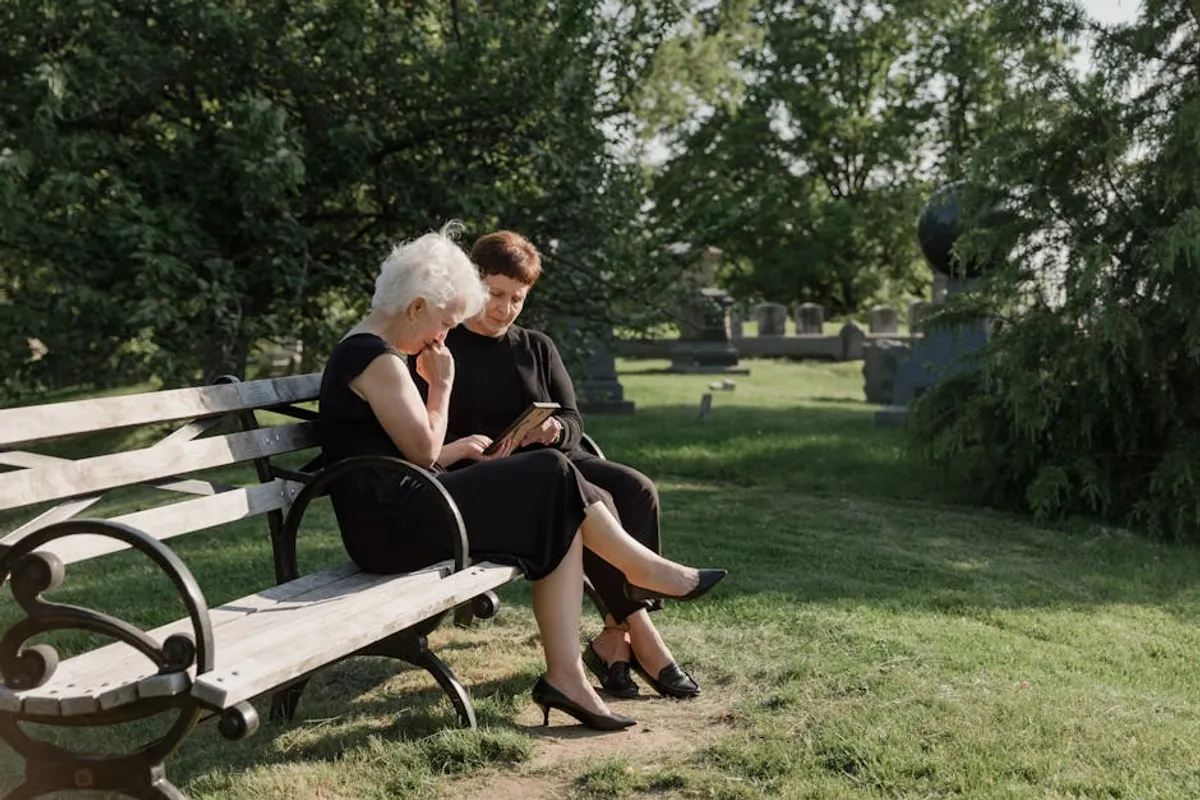
Ancestor veneration, a practice spanning millennia and cultures, involves honoring and remembering one's forebears. In a modern context, this is not necessarily about deification or worship, but rather a conscious effort to acknowledge the lives, struggles, and contributions of those who came before. For individuals navigating contemporary life, engaging with ancestral practices can cultivate a deeper sense of identity, resilience, and connection to a broader human narrative. It offers a structured approach to understanding personal lineage, processing historical influences, and deriving strength from a heritage that extends beyond immediate experience.
The decision to incorporate ancestor veneration into one's life often stems from a desire for grounding, continuity, or a more profound sense of belonging. It provides a framework for reflecting on personal values, understanding intergenerational patterns, and finding peace with the past. This exploration focuses on practical, adaptable methods for integrating these ancient practices into a contemporary lifestyle, emphasizing personal meaning over rigid adherence to specific dogmas.
Establishing a Foundation for Ancestral Connection
Effective ancestor veneration begins with intent and a basic understanding of its varied forms. Across cultures, common threads include remembrance, gratitude, and seeking guidance or inspiration from ancestral figures. It is a reciprocal relationship: we honor them, and in doing so, we often find a deeper understanding of ourselves and our place in the world. This foundation is built not on dogma, but on personal resonance and a desire to acknowledge the continuum of life.
Creating a Dedicated Space for Remembrance
A physical space, however small, can serve as a focal point for ancestral connection. This doesn't require elaborate altars, but rather a designated area that feels personal and respectful. Consider a shelf, a corner of a room, or even a digital folder. The key is consistency and intention.
- Visual Elements: Photographs of ancestors, family trees, or symbolic representations of your heritage (e.g., a map of ancestral lands, cultural artifacts).
- Personal Items: Heirlooms, letters, or objects that belonged to ancestors. These act as tangible links to their lives and stories.
- Offerings: Simple, meaningful offerings like a lit candle, fresh water, flowers, or a small portion of a meal. These are symbolic gestures of remembrance and gratitude, not necessarily for consumption by spirits.
- Journal or Notebook: A dedicated space to record thoughts, reflections, or stories about your ancestors.
Engaging in Rituals of Remembrance
Rituals provide structure and reinforce intention. These practices can be as simple or as elaborate as comfortable, and can be adapted to fit individual schedules and beliefs.
Examples of rituals include:
- Storytelling: Regularly recounting family stories, either verbally or in writing. This keeps memories alive and transmits wisdom.
- Journaling: Writing letters to ancestors, reflecting on their lives, or exploring how their experiences might inform your own.
- Commemorative Meals: Preparing dishes that ancestors enjoyed, or sharing a meal with family members while discussing those who have passed.
- Candle Lighting: Lighting a candle on significant dates (birthdays, anniversaries of passing) as a moment of quiet reflection.
- Visiting Significant Sites: Graveyards, ancestral homes, or places that held meaning for your forebears.
Integrating Ancestral Wisdom into Daily Life
Beyond specific rituals, ancestor veneration can involve a conscious effort to internalize and apply ancestral lessons. This means reflecting on the values, challenges, and triumphs of your forebears and considering how their experiences might offer guidance for your own.
Considerations for integration:
- Reflecting on Virtues: Identify qualities like resilience, perseverance, or creativity that your ancestors embodied. How can you cultivate these in your own life?
- Learning from Challenges: Understand the difficulties they faced and how they navigated them. This can provide perspective on current struggles.
- Honoring Their Legacy: Pursue education, career paths, or personal projects that align with their aspirations or continue their unfinished work.
- Genealogical Exploration: Delve into family history research. Understanding the factual details of their lives can deepen your connection and appreciation.
Pro Tip: When incorporating ancestor veneration, prioritize authenticity and personal meaning over rigid adherence to any single tradition. The most impactful practices emerge from genuine respect and connection, rather than mimicry.
Benefits of Ancestor Veneration in Modern Life
The practical application of ancestor veneration extends beyond mere remembrance, offering tangible benefits for personal well-being and identity formation.
Enhanced Sense of Belonging: Knowing your place within a larger lineage can combat feelings of isolation and foster a profound sense of rootedness. This connection provides a stable anchor in an often-unpredictable world.
Coping with Grief and Loss: For those experiencing loss, ancestor veneration provides a healthy outlet for grief, allowing for continued connection and remembrance rather than a forced severance. It transforms absence into a presence of memory and influence.
Personal Resilience and Strength: Understanding the hardships and successes of ancestors can instill a sense of personal resilience. Drawing on their strength and perseverance provides a historical blueprint for overcoming contemporary challenges.
Cultural Preservation: For many, ancestor veneration is a vital link to cultural identity, especially for diaspora communities. It ensures the transmission of traditions, languages, and values across generations, preventing cultural erosion.
Cultivating Your Ancestral Connection
Integrating ancestor veneration into a modern life is an evolving process, not a static endpoint. It requires flexibility, introspection, and a willingness to adapt practices to suit individual circumstances. Start small, focus on what resonates, and allow your practices to deepen and change over time. The goal is to build a meaningful, personal relationship with your heritage, recognizing that the past continues to shape the present and inform the future.
Frequently Asked Questions
Is ancestor veneration a religious practice?
Not necessarily. While many religions incorporate ancestor veneration, it can also be a secular practice focused on cultural heritage, family history, and personal identity, without specific theological beliefs.
How do I start if I don't know much about my ancestors?
Begin with readily available information: talk to living relatives, explore online genealogical resources like census records or historical documents, or start with symbolic representations of your cultural background if specific names are unknown.
Can ancestor veneration help with grief?
Yes, for many, it provides a constructive way to process grief by maintaining a connection with the deceased, honoring their memory, and integrating their legacy into one's ongoing life, offering comfort and continuity.
What if my family history is difficult or painful?
Ancestor veneration can still be beneficial. It allows for acknowledgment of past traumas and their impact, fostering healing and breaking negative intergenerational patterns. The focus can be on learning from challenges and celebrating resilience, rather than idealizing every ancestor.
Leave a note in the margin
Thoughtful disagreement welcomed. Promotional links quietly removed. First-time notes are read before they appear.