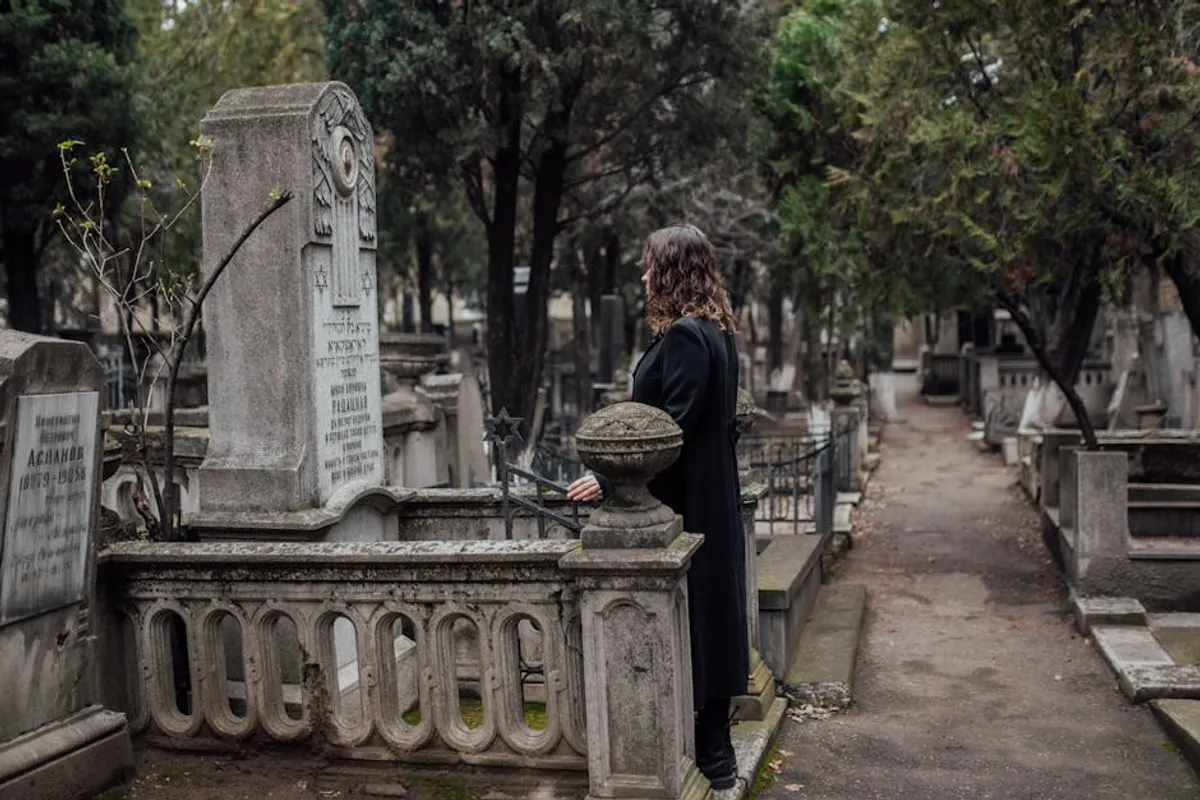
Ancestor veneration forms a foundational element within Heathen practice, distinguishing it from many contemporary spiritual paths. This practice centers on honoring and maintaining relationships with those who have come before, recognizing their continued influence and presence. For practitioners, it is not merely a historical observance but an active, reciprocal engagement that underpins identity, community, and spiritual worldview. Understanding ancestor veneration requires moving beyond a simple remembrance of the deceased; it involves acknowledging a spiritual lineage that extends beyond mortal life, impacting daily ethics, ritual conduct, and the very structure of the cosmos as perceived within Heathenry.
Historical Roots and Philosophical Underpinnings
The practice of honoring ancestors in Heathenry draws heavily from historical Germanic and Norse cultures, where the dead, particularly those of one's kin, were believed to retain agency and influence over the living. Archeological findings, sagas, and ethnographic accounts indicate a continuous tradition of grave offerings, memorial feasts, and the invocation of ancestral spirits for guidance and protection. This deep-seated respect for lineage is not rooted in fear but in a profound sense of continuity and mutual obligation.
The Role of Family and Kinship
Kinship, both blood and adopted, is paramount in Heathen thought. Ancestors are seen as integral members of the family unit, extending across generations into the spiritual realm. This perspective fosters a strong sense of identity and belonging, as individuals understand themselves as part of an unbroken chain. The actions of the living reflect upon the honor of their ancestors, and conversely, the strength and wisdom of the ancestors can be called upon to support their descendants. This reciprocal relationship forms the ethical backbone of many Heathen communities.
Reciprocity and the Honored Dead
The concept of gifting cycle or reciprocity extends to the relationship with ancestors. Just as offerings are made to deities, so too are they presented to ancestors. These offerings are not appeasement but rather a continuation of social bonds, reinforcing the idea that relationships require effort and acknowledgment from both sides. Honoring the dead ensures their continued benevolent presence and influence, while neglecting them risks their disinterest or, in some traditions, their potential to become restless or malevolent.
Practical Manifestations of Veneration
Ancestor veneration in modern Heathenry takes diverse forms, reflecting the personal interpretations and specific traditions of practitioners. While there is no single dogma, common threads emerge in how individuals and communities engage with their ancestral spirits.
Altars and Sacred Spaces
Many Heathens establish dedicated ancestor altars, often referred to as "family altars" or "harrow," within their homes. These spaces serve as focal points for veneration and connection. They typically include:
- Photographs or mementos of deceased family members.
- Items representing ancestral homelands or trades.
- Candles, incense, or other devotional objects.
- A dedicated space for offerings.
These altars are not static displays but active sites of interaction, regularly tended and utilized for ritual.
Offerings and Libations
Offerings are a primary means of communicating respect and maintaining the reciprocal bond with ancestors. Common offerings include:
- Food and Drink: Often shared portions of meals, especially traditional family dishes, or libations of mead, ale, or water.
- Crafted Items: Handmade goods, artwork, or items that reflect a skill or interest of the ancestor.
- Incense and Candles: Symbolic offerings of light, scent, and warmth.
- Personal Achievements: Dedicating successes or significant life events to ancestral honor.
Offerings are typically placed on the ancestor altar and left for a period before being respectfully disposed of, often by returning them to the earth.
Rituals and Personal Practice
Formal rituals for ancestor veneration can range from simple daily acknowledgments to elaborate seasonal feasts. Many Heathens incorporate ancestor veneration into their regular blot (sacrificial ritual) or sumbel (ritual toasting). Personal practices often include:
- Meditation and contemplation on ancestral legacies.
- Sharing stories and memories of the deceased.
- Seeking guidance through divination or quiet reflection at the altar.
- Visiting gravesites or places significant to ancestors.
The intent behind these actions is to foster a living relationship, not merely to mourn or remember.
Who are the Ancestors?
The definition of "ancestor" in Heathen practice is broader than mere biological lineage, though blood kin are central. It encompasses a wider understanding of those who have contributed to one's heritage and spiritual path.
Blood Ancestors vs. Ancestors of Spirit/Deed
While biological ancestors (parents, grandparents, great-grandparents, etc.) are universally honored, many Heathens also venerate "ancestors of spirit" or "ancestors of deed." These might include:
- Cultural or Tribal Ancestors: Figures from historical Germanic or Norse cultures who embody virtues or traditions.
- Ancestors of Craft or Skill: Mentors, teachers, or historical figures who excelled in a particular art, trade, or academic field that resonates with the practitioner.
- Ancestors of Place: Those who lived on the land where one resides, even if not biologically related.
The key criterion is a felt connection and a recognition of their positive influence or legacy. This inclusive view allows for a rich and diverse ancestral landscape for practitioners.
Pro Tip: When establishing an ancestor altar, focus on personal connection over historical accuracy alone. Include items that genuinely resonate with your memories and understanding of your ancestors, fostering a sincere and meaningful practice rather than a purely academic one. The authenticity of your engagement is paramount.
Benefits and Significance
Engaging in ancestor veneration provides a number of profound benefits and holds significant meaning for Heathen practitioners:
- Stronger Sense of Identity: Connecting with one's lineage anchors an individual within a larger historical and familial narrative, offering a clear sense of who they are and where they come from.
- Ethical Guidance: Reflecting on ancestral lives, both their triumphs and their struggles, can provide moral and ethical frameworks for navigating contemporary challenges.
- Spiritual Protection and Support: Many believe that honored ancestors can offer guidance, protection, and strength, acting as benevolent allies in the spiritual realm.
- Community and Continuity: The practice reinforces the interconnectedness of past, present, and future generations, fostering a sense of belonging to an enduring community.
- Personal Healing: Acknowledging and honoring ancestors, especially those with whom relationships were complex, can be a pathway to personal healing and reconciliation.
Maintaining Connection and Continuity
Ancestor veneration is a dynamic, living practice that strengthens the bonds between generations and enriches the spiritual lives of Heathens. It is not about dwelling on the past but about integrating the wisdom and legacy of those who came before into the present. By actively honoring ancestors through altars, offerings, and ritual, practitioners ensure that these vital connections remain vibrant, contributing to personal well-being and the health of the broader Heathen community. The practice underscores a worldview where death is a transition, not an end, and where the family unit extends indefinitely.
Frequently Asked Questions
Is ancestor veneration the same as ancestor worship?
No, ancestor veneration in Heathen practice is distinct from worship. Veneration involves honoring, respecting, and seeking guidance from ancestors, acknowledging their continued influence. Worship, typically reserved for deities, implies adoration and supplication to a divine power. Ancestors are respected kin, not gods.
Do I need to know my full family tree to venerate ancestors?
While knowing your family tree can enrich the practice, it is not a prerequisite. Many practitioners focus on known ancestors, even just a few generations back. The practice can also extend to "ancestors of spirit" or "ancestors of place" if biological lineage is unknown or difficult to trace.
What if I had a difficult relationship with an ancestor?
Ancestor veneration is a personal practice. Some choose to honor all ancestors, believing that even difficult relationships can offer lessons. Others focus only on those ancestors with whom they had positive connections or who represent virtues they wish to embody. It is acceptable to set boundaries and honor in a way that feels authentic and healing.
How often should I make offerings to my ancestors?
The frequency of offerings is highly personal. Some practitioners make daily or weekly offerings, while others prefer monthly, seasonal, or on specific anniversaries (birthdays, death days). The key is consistency and sincerity, rather than adherence to a strict schedule.
Leave a note in the margin
Thoughtful disagreement welcomed. Promotional links quietly removed. First-time notes are read before they appear.