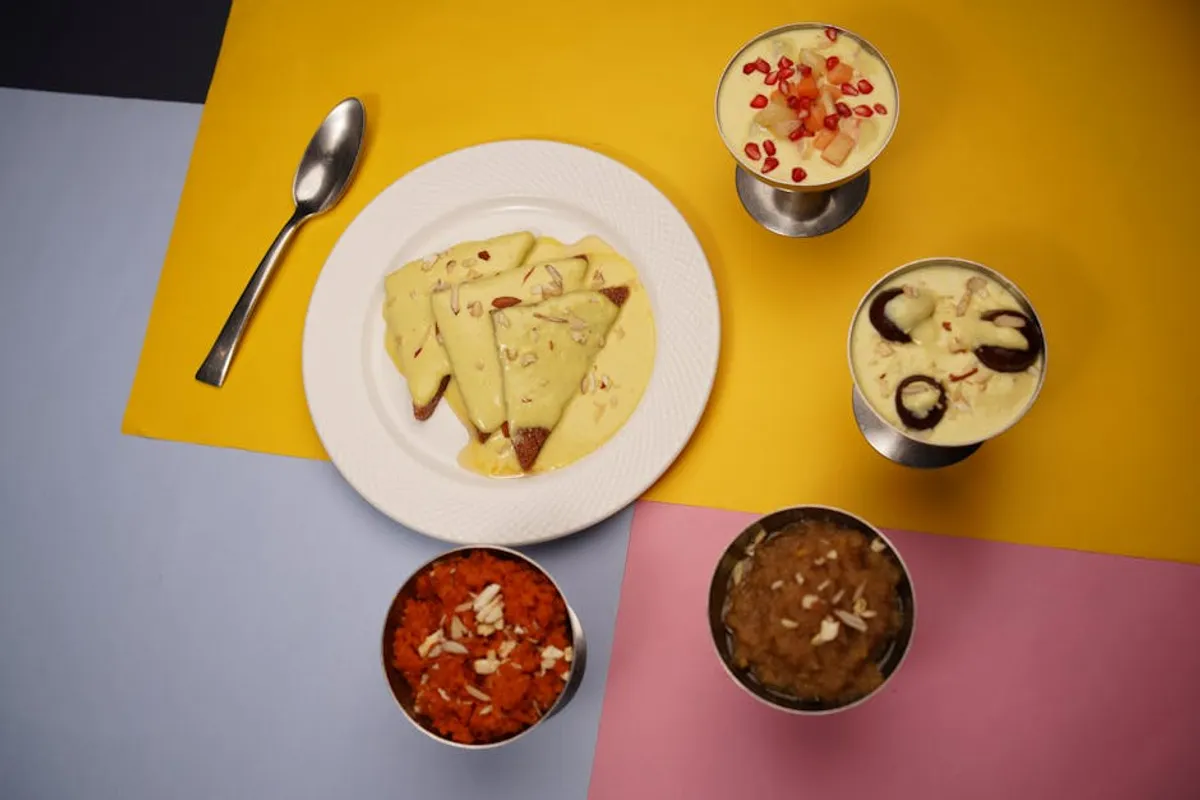
Analyzing the search profile of a domain centered around "Kulfiy" reveals a distinct content opportunity, particularly within the culinary and cultural niches. Kulfiy, a traditional frozen dairy dessert, attracts specific search queries driven by a mix of informational, navigational, and transactional intent. A site dedicated to this topic would inherently cater to audiences interested in authentic recipes, cultural heritage, ingredient sourcing, and potentially local vendors. Understanding the nuances of these search patterns is crucial for any publisher aiming to capture organic visibility in this specialized segment, moving beyond generic food content to address precise user needs.
What a Website About Kulfiy Appears to Cover
A content strategy focused on Kulfiy would likely encompass a broad range of topics, addressing its identity, characteristics, consumption considerations, and related culinary options. This includes deep dives into its historical origins and regional variations, explaining how different cultures and localities have adapted the dessert. Core content would detail the traditional preparation methods, distinguishing it from ice cream through its denser, creamier texture achieved by slow cooking and freezing without churning. Flavor profiles, from classic malai and pistachio to more contemporary fruit infusions, would be a significant content category, often accompanied by ingredient breakdowns and sourcing tips. For aspects like "Safety," content would address food hygiene practices in preparation, allergen information, and guidance on identifying quality ingredients or reputable vendors. "Alternatives" would extend to other frozen desserts, both traditional and modern, offering comparisons in texture, flavor, and cultural context.
Where Its Search Traffic May Come From
Organic traffic for a Kulfiy-centric site would primarily originate from long-tail informational queries. Users often search for "how to make kulfiy at home," "best kulfiy recipes," or "history of kulfiy." Navigational searches might include "kulfiy near me" or specific brand names if a product line is established. Transactional intent could manifest as "buy kulfiy molds" or "kulfiy ingredients online." Traffic patterns would likely show seasonal spikes, particularly during warmer months or around cultural festivals where traditional desserts are popular. Geo-specific searches would also play a role, with higher volumes expected from regions with a significant South Asian diaspora or a growing interest in international cuisine. Educational content explaining the difference between Kulfiy and ice cream, or its role in specific celebrations, would also draw curious users.
Search Intent Behind Kulfiy
The search intent surrounding Kulfiy is multifaceted. Informational intent is high, as users seek to understand "what is kulfiy," its cultural significance, and detailed recipes. These queries often come from individuals looking to expand their culinary knowledge or recreate traditional dishes. Navigational intent applies to users seeking specific Kulfiy parlors, restaurants, or brands, often using location-based modifiers. Commercial investigation intent is present when users compare different recipes, ingredients, or even types of Kulfiy makers, weighing options before a purchase or preparation attempt. Transactional intent, while perhaps lower in volume for the dessert itself, would apply to ingredient sourcing or finding ready-made options. The "Safety" aspect in search intent would cater to users concerned about food allergies, dietary restrictions, or hygienic preparation, seeking reliable information to ensure a safe culinary experience. "Alternatives" address users exploring similar desserts or variations, indicating a broader interest in frozen treats.
Why Traffic May Rise or Fall
Organic traffic for a Kulfiy-focused site is subject to several external factors. Cultural events and holidays, particularly those with a culinary focus, can drive significant traffic spikes as people seek traditional recipes or local vendors. Food trends, such as increased interest in international desserts or specific dietary adaptations (e.g., vegan Kulfiy), can also influence search volume. Media mentions, whether through food blogs, cooking shows, or travel documentaries, can introduce Kulfiy to new audiences, leading to increased search activity. Conversely, a lack of new content, declining interest in traditional desserts, or a shift in general food trends could lead to traffic stagnation or decline. Seasonal variations, with higher interest during summer months, are a predictable pattern that impacts overall traffic flow.
How the Site Could Improve Organic Visibility
To enhance organic visibility, a Kulfiy-centric site should prioritize comprehensive content depth and strategic keyword targeting. This involves creating detailed, authoritative articles on every aspect of Kulfiy, from its history and cultural significance to step-by-step recipe guides with high-quality visuals. Implementing structured data markup (e.g., schema for recipes, local businesses) would help search engines better understand and present the content, potentially earning rich snippets. Expanding into related long-tail keywords, such as "health benefits of kulfiy ingredients" or "homemade kulfiy without ice cream maker," can capture niche audiences. Building internal links between related articles (e.g., linking a pistachio kulfiy recipe to an article on pistachio sourcing) strengthens topical authority. Engaging with culinary communities and fostering user-generated content, such as recipe variations or reviews of local Kulfiy spots, can also signal relevance and authority to search engines.
What to Check Before Trusting Traffic Estimates
When evaluating the potential or current search traffic for a site focused on Kulfiy, it is essential to exercise caution with third-party traffic estimates. These tools often rely on extrapolated data and may not accurately reflect niche market volumes or highly specific long-tail queries. Verifying estimates against actual site analytics, if available, provides a more reliable picture. It is also crucial to consider the geographic distribution of search interest; a tool might show high global volume but low localized interest in the target region. Market research into culinary trends, seasonal demand, and cultural relevance can offer qualitative insights that quantitative tools might miss. Furthermore, understanding the competitive landscape within the food blogging or recipe site niche is vital, as a highly competitive environment can dilute traffic potential even for high-volume keywords.
Frequently Asked Questions About Kulfiy's Search Profile
What types of content drive the most search traffic for Kulfiy?
Recipe guides, historical overviews, and articles differentiating Kulfiy from other frozen desserts typically attract significant informational search traffic. Content addressing regional variations and ingredient sourcing also performs well.
How does seasonality affect Kulfiy-related search queries?
Search interest for Kulfiy often peaks during warmer months and around cultural festivals where it is traditionally consumed, indicating a strong seasonal pattern in user queries.
What common search intents are associated with Kulfiy?
Users primarily exhibit informational intent (seeking recipes, history), navigational intent (finding local vendors), and commercial investigation intent (comparing ingredients or preparation methods).
Are there specific long-tail keywords relevant to Kulfiy content?
Yes, long-tail keywords such as "how to make malai kulfiy at home," "vegan kulfiy recipe with coconut milk," or "best kulfiy flavors explained" are highly relevant for capturing niche audiences.
Leave a note in the margin
Thoughtful disagreement welcomed. Promotional links quietly removed. First-time notes are read before they appear.